
If you've noticed your sleep isn't what it used to be, you're not imagining it. After 55, sleep architecture naturally shifts — lighter stages, more nighttime wake-ups, and a body that's more sensitive to what happens during the day. One factor that doesn't get talked about enough: low-grade inflammation. The good news is that a handful of everyday foods can help calm that inflammation and support the kind of deep, restorative sleep your body is asking for.

Why Inflammation and Sleep Are So Closely Linked
As we age, the body's inflammatory response becomes less efficient at switching off. Left unchecked, this "background inflammation" can interfere with the deeper stages of sleep, contribute to stiffness that makes it harder to get comfortable at night, and create a frustrating cycle — poor sleep feeds inflammation, and inflammation disrupts sleep. Choosing foods that help calm this process is one of the simplest, most accessible ways to support both your rest and your overall comfort.
1. Fatty Fish for Omega-3s
Salmon, sardines, mackerel and trout are rich in omega-3 fatty acids, which are widely recognized for their anti-inflammatory properties. Aiming for a couple of servings a week is a realistic, low-effort way to work more omega-3s into your routine — whether that's a simple baked salmon fillet or canned sardines on toast.

2. Leafy Greens and Magnesium-Rich Vegetables
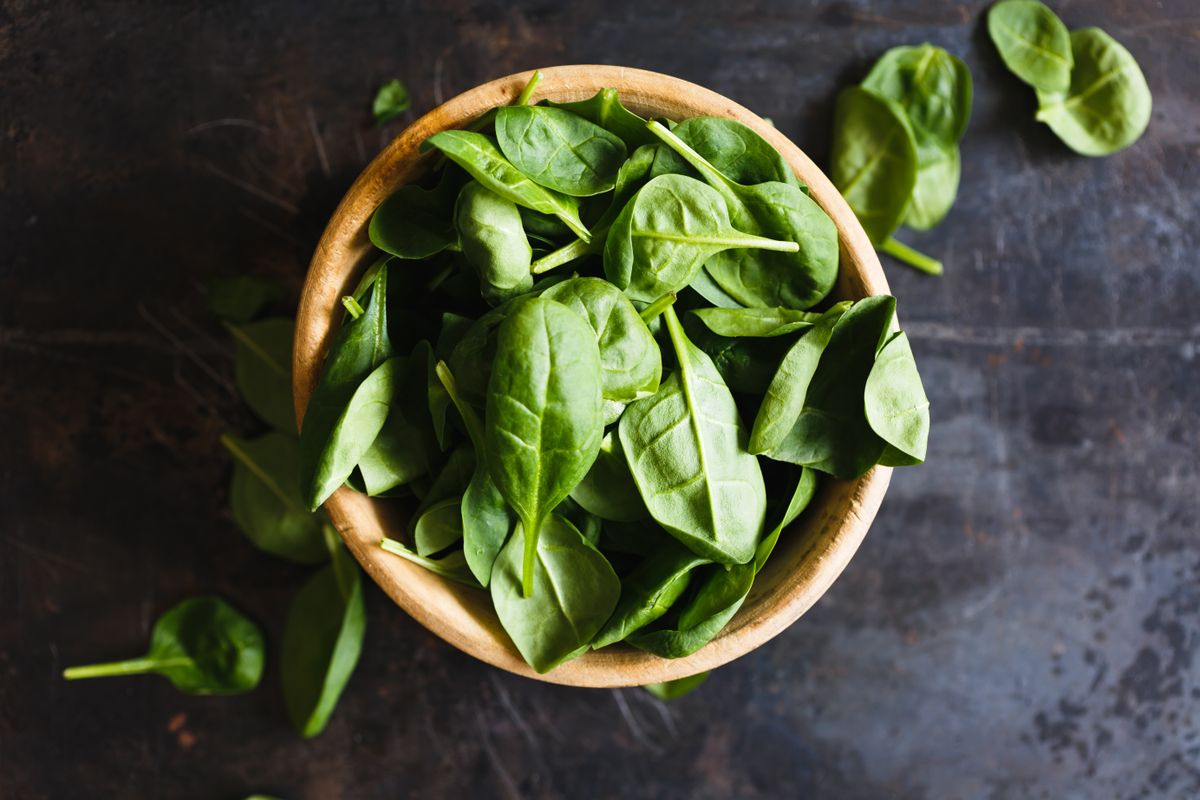
Spinach, kale and other leafy greens are packed with magnesium, a mineral that plays a role in relaxing muscles and supporting the nervous system as it winds down for the night. They're also rich in antioxidants that help offset everyday inflammatory triggers. A simple side salad or a handful of sautéed greens with your evening meal is an easy way to include them.
3. Berries and Antioxidant-Rich Fruits
Blueberries, strawberries and other berries are full of polyphenols — plant compounds that have been studied for their role in supporting a healthy inflammatory response. Some berries, like tart cherries, are also naturally occurring sources of melatonin, the hormone that helps regulate your sleep-wake cycle. A small bowl of mixed berries makes an easy evening snack or breakfast topping.

4. Turmeric and Ginger
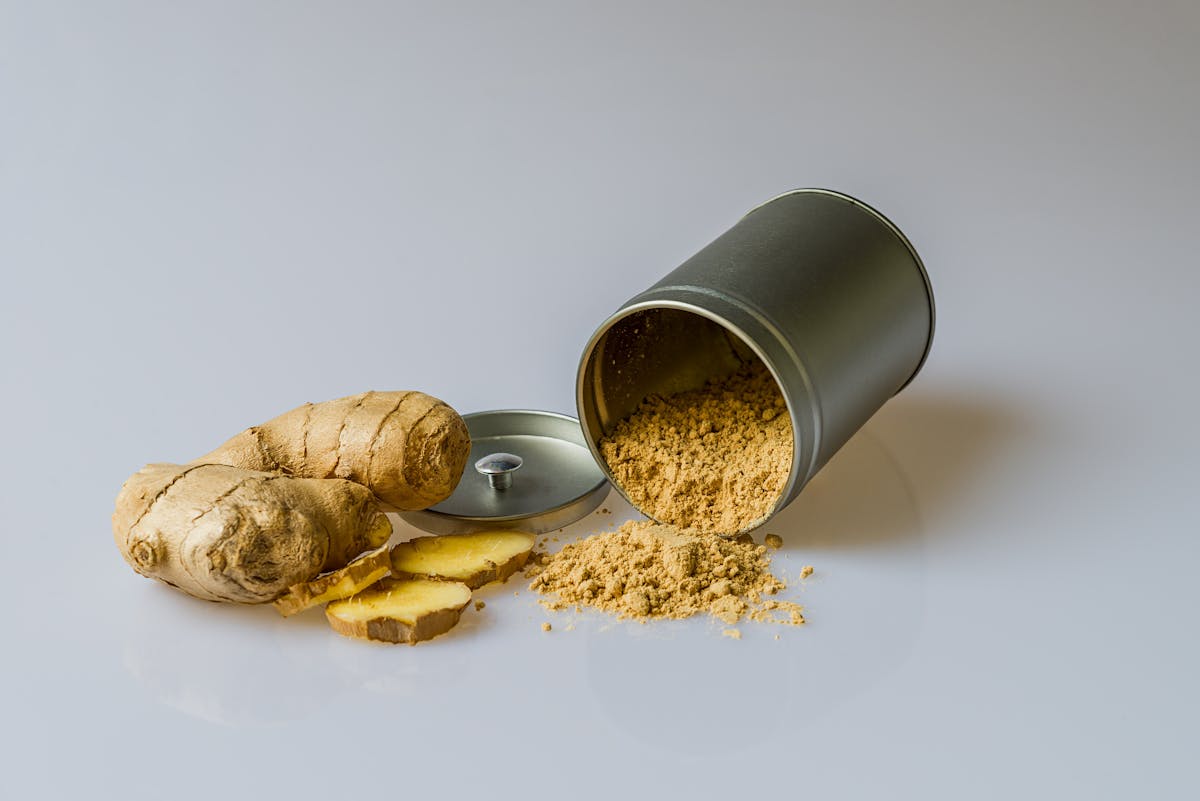
These two warming spices have a long history in traditional cooking for a reason. Turmeric contains curcumin, and ginger contains gingerol — both compounds that have been studied for their calming effect on inflammation. Try adding a pinch of turmeric to soups and stews, or steeping fresh ginger in warm water for a soothing evening drink.
5. Walnuts for a Tryptophan Boost
Walnuts are one of the few nuts that contain meaningful amounts of both omega-3 fatty acids and tryptophan, an amino acid your body uses to produce serotonin and, eventually, melatonin. A small handful in the late afternoon or early evening is a simple habit that supports both inflammation and your natural wind-down process.

Building an Evening Routine That Supports Rest
Food is one piece of the puzzle, but how you feel physically in the evening matters too. Stiffness, tension, and general discomfort can all make it harder to settle in for the night, no matter what's on your dinner plate. Many of our customers pair these dietary habits with a few minutes of gentle stretching or light mobility work before bed to help the body relax fully.
If evening stiffness or restlessness is part of your routine, our Sleep & Wellness collection was designed with exactly that in mind. Explore the collection to see what might fit into your evening wind-down.
This article is for general informational purposes and isn't a substitute for medical advice. If you have ongoing sleep difficulties or health concerns, it's always worth checking in with your doctor.
0 comentarios