Balance is one of those things you don't think about — until a wobble on a curb or a missed step on the stairs reminds you it's there. After 55, the muscles, inner ear, and joints that keep you steady naturally lose some of their sharpness, and the result is a quieter kind of vulnerability that many people don't notice until a near-fall shakes their confidence.
The good news: balance is trainable at any age. A few minutes a day of the right movements can measurably improve stability, and research has linked consistent balance practice to better coordination and a stronger sense of independence in older adults. Here are five simple exercises to add to your routine, plus a few habits that make a real difference around the house.
Why Balance Changes After 55
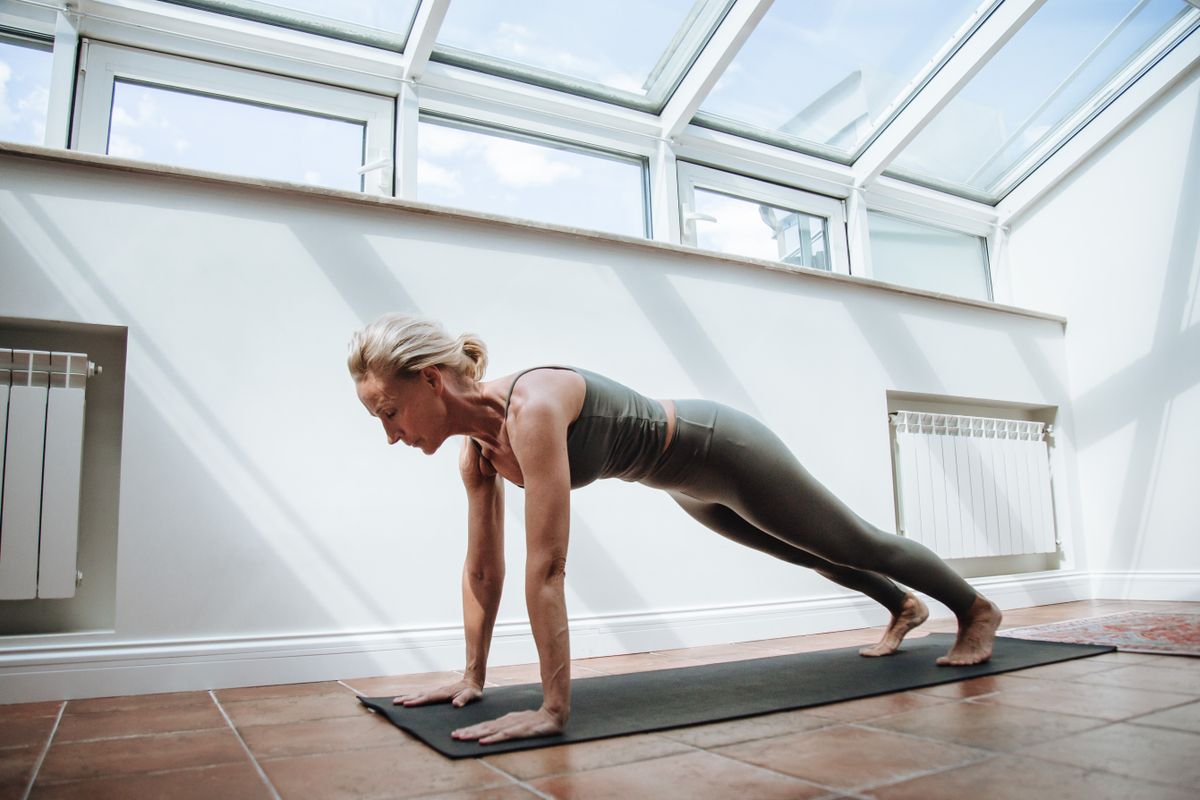
Balance depends on three systems working together: your eyes, your inner ear, and the sensory feedback from your muscles and joints (proprioception). Any one of these can dull slightly with age, and when two or three shift at once, unsteadiness follows. Add in slower reflexes and reduced leg strength, and everyday moments — reaching for a top shelf, stepping off a curb, turning quickly — carry a bit more risk than they used to.
The goal isn't to fear movement. It's to retrain the systems that keep you upright, the same way you'd rebuild strength after time away from exercise.
5 Simple Balance Exercises to Try
1. Single-Leg Stance
Stand near a counter or sturdy chair for safety. Shift your weight onto one foot and lift the other slightly off the floor. Hold for up to 30 seconds, then switch sides. This is the foundation move for balance because so much of daily life — walking, climbing stairs — happens on one leg at a time.
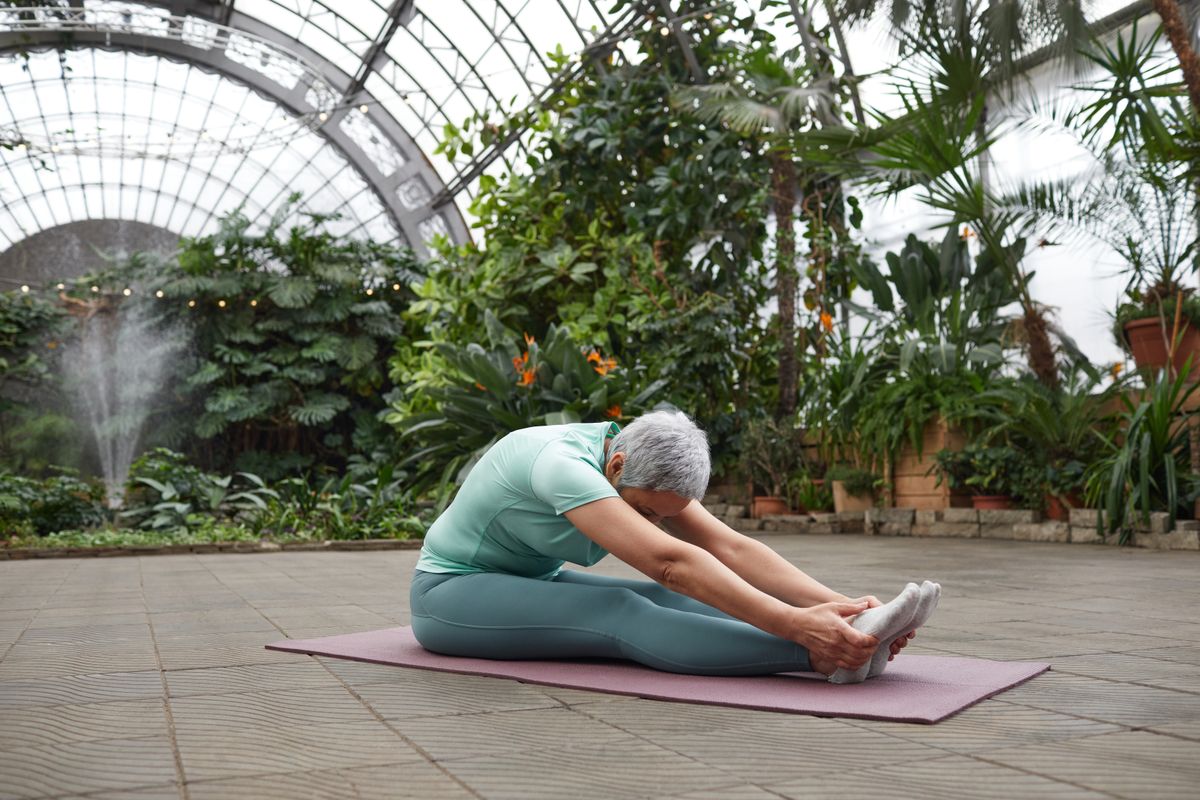
2. Heel-to-Toe Walk
Walk in a straight line, placing the heel of one foot directly in front of the toes of the other, as if walking a tightrope. Focus your eyes on a fixed point ahead rather than looking down. This trains the coordination you rely on for narrow spaces like hallways or sidewalks.
3. Standing Marches
Holding onto a counter if needed, lift one knee toward your chest, hold for two to three seconds, then lower and switch legs. Ten to fifteen reps per side helps build the hip strength that keeps your stride steady.
4. Weight Shifts
Stand with feet shoulder-width apart and slowly shift your weight from one foot to the other, side to side, without lifting your feet. This gentle movement retrains your body's sense of center and is a good warm-up before the other exercises.

5. Heel Raises
Holding a counter or the back of a chair, rise onto the balls of your feet, hold briefly, then lower. Repeat 10 to 15 times. This strengthens the calves and ankles, which do a surprising amount of the quiet, constant work of keeping you upright.
Consistency matters more than intensity here. A few minutes most days will do more for your stability than one long session a week.
Everyday Habits That Support Balance
- Move deliberately, not rushed. Most falls happen during quick, unplanned movements — turning fast, standing up suddenly, or reaching while off-balance.
- Support your spine, not just your legs. Balance isn't only about your feet — posture and spinal alignment play a bigger role than most people realize. A tool like the Back Mobility System can help release the tension that quietly pulls your posture forward, which in turn affects how centered you feel on your feet.
- Take walks outdoors regularly. Uneven ground is actually good training — it challenges your balance system in ways a flat floor doesn't.
- Wear supportive, well-fitted shoes at home. Loose slippers and socks-only floors are common contributors to slips.
Balance Is Also About Confidence
There's a mental side to this too. People who feel unsteady often start avoiding movement altogether — skipping the walk, holding the railing a little tighter, staying seated more. That caution is understandable, but it can quietly accelerate the very decline it's trying to avoid. Rebuilding physical balance often rebuilds confidence right alongside it, and the two feed each other in a good way.
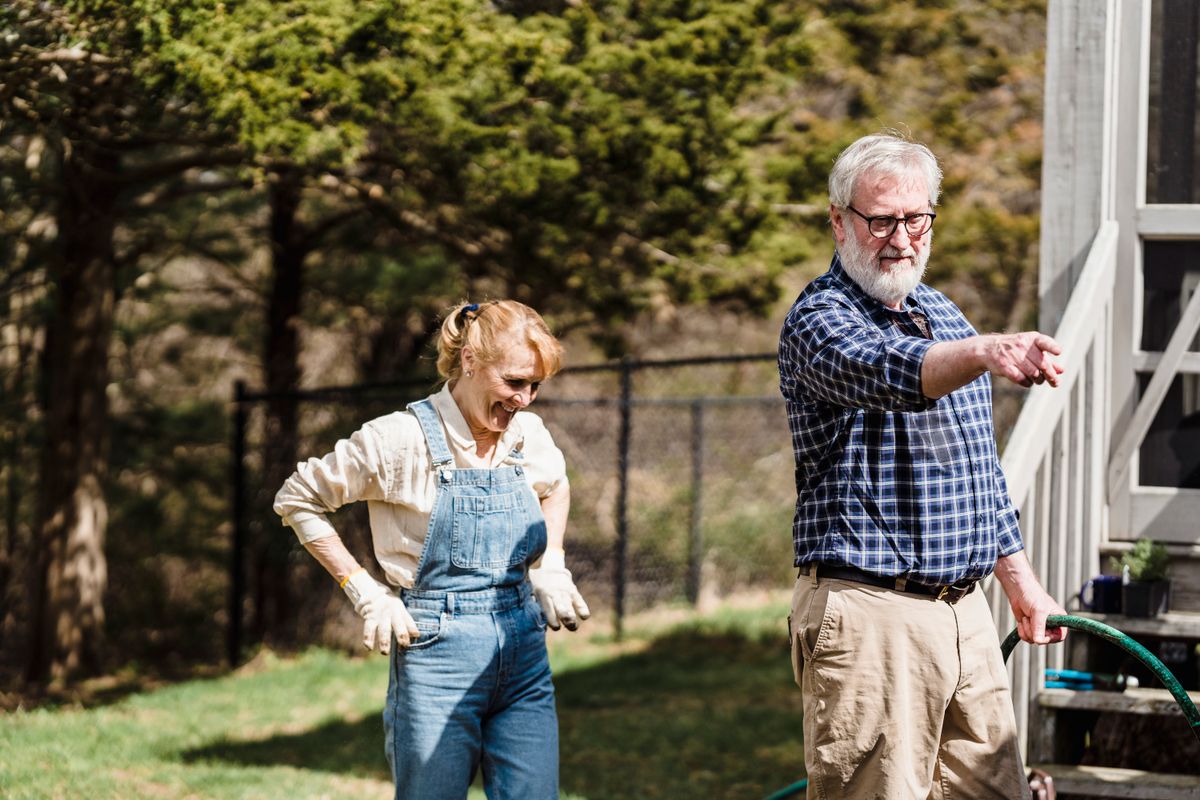
Gardening, walking the dog, playing with grandchildren on the floor — the activities that make daily life enjoyable all depend on balance you don't consciously think about. Investing a few minutes a day now is really an investment in staying independent and active for years to come.
Start Small, Stay Steady
You don't need special equipment or a gym membership to work on balance — just a few intentional minutes and, ideally, a sturdy counter nearby for the first few tries. Pair these exercises with good posture support, like Olyvita's Mobility & Posture collection, and you're building a foundation that supports every other part of an active life after 55.
0 comentarios