
It is one of the most common questions we hear: when something aches, should you reach for warmth or for something cool? Most of us were never actually taught the difference — so we grab whatever is closest and hope for the best.
The good news: the rule of thumb is simple, and once you know it, you can get noticeably more relief from the exact same ten minutes of care. Here is your practical guide.
The golden rule: cold for new, heat for old
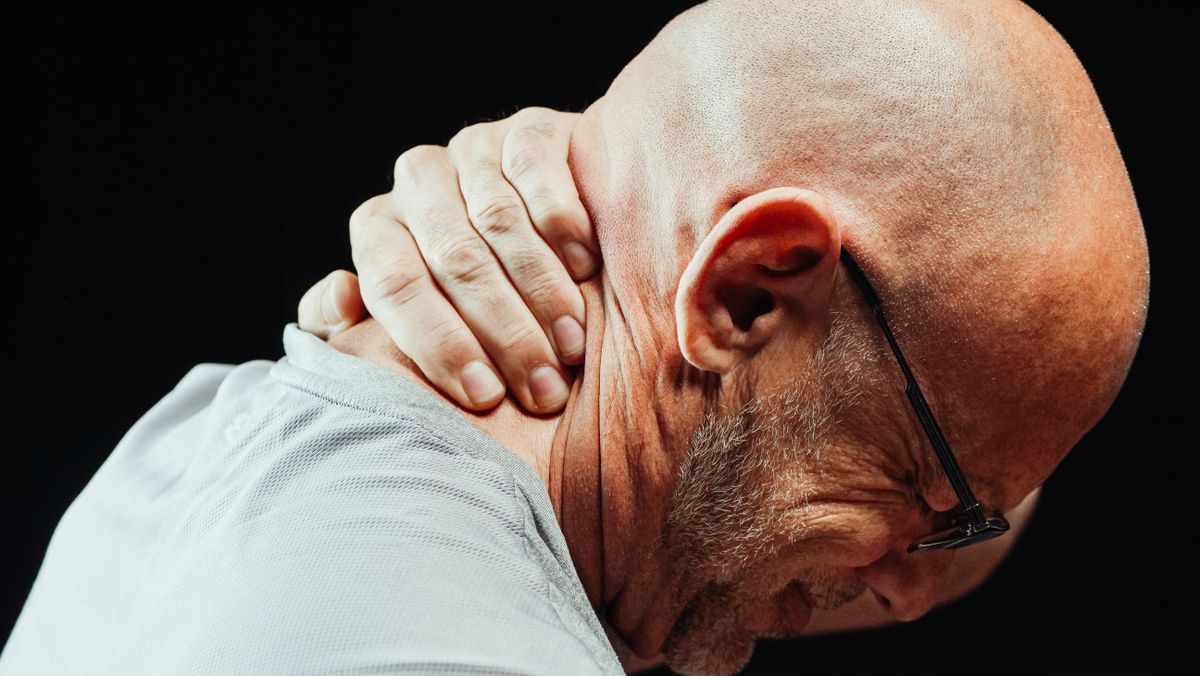
As a general principle:
Cold works best on fresh, recent aches — the kind that appear suddenly after a misstep, an overly enthusiastic afternoon of gardening, or lifting something awkwardly. Cool temperatures help calm the area and take the edge off during the first day or two.
Heat works best on older, familiar stiffness — the tight lower back in the morning, the shoulders that knot up after a day of sitting, the joints that feel rusty in cold weather. Warmth relaxes tight muscles, encourages circulation and simply feels comforting.
A helpful memory trick: cold calms, heat loosens.
When to choose cold

Reach for something cool when:
- The ache is less than 48 hours old
- The area feels warm or looks slightly swollen
- You have just overdone an activity and want to prevent next-day soreness
How to do it safely: wrap a cool pack (or even a bag of frozen peas) in a thin tea towel — never place it directly on bare skin — and hold it on the area for 10 to 15 minutes. Remove it, let the skin return to normal temperature, and repeat a few times through the day if needed.
When to choose heat
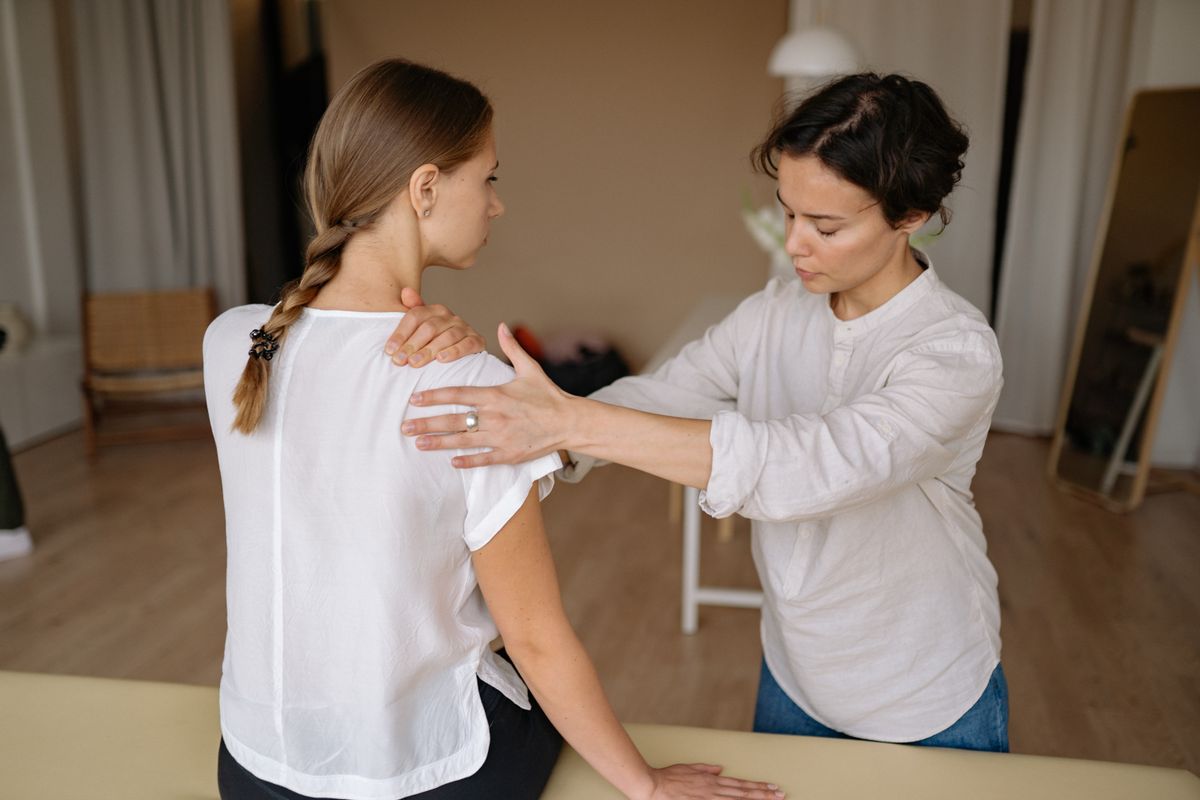
Warmth is your friend when:
- The stiffness is familiar and long-standing — the same spot that always tightens up
- Muscles feel knotted or tense rather than freshly hurt
- You want to loosen up before gentle exercise or a walk
How to do it safely: a warm (not scalding) shower, a wheat bag, or a hot water bottle wrapped in a cover, applied for 15 to 20 minutes. Warmth before movement is a particularly lovely combination — it prepares the muscles so stretching feels easier.
A simple cheat sheet
Woke up stiff? Heat. Tweaked something yesterday? Cold. Tight shoulders after sitting? Heat. Knee grumbling after a long walk? Cold first, warmth the next day if it still feels tight. Before stretching or exercise? Always heat — never cold.
The step most people skip: gentle movement
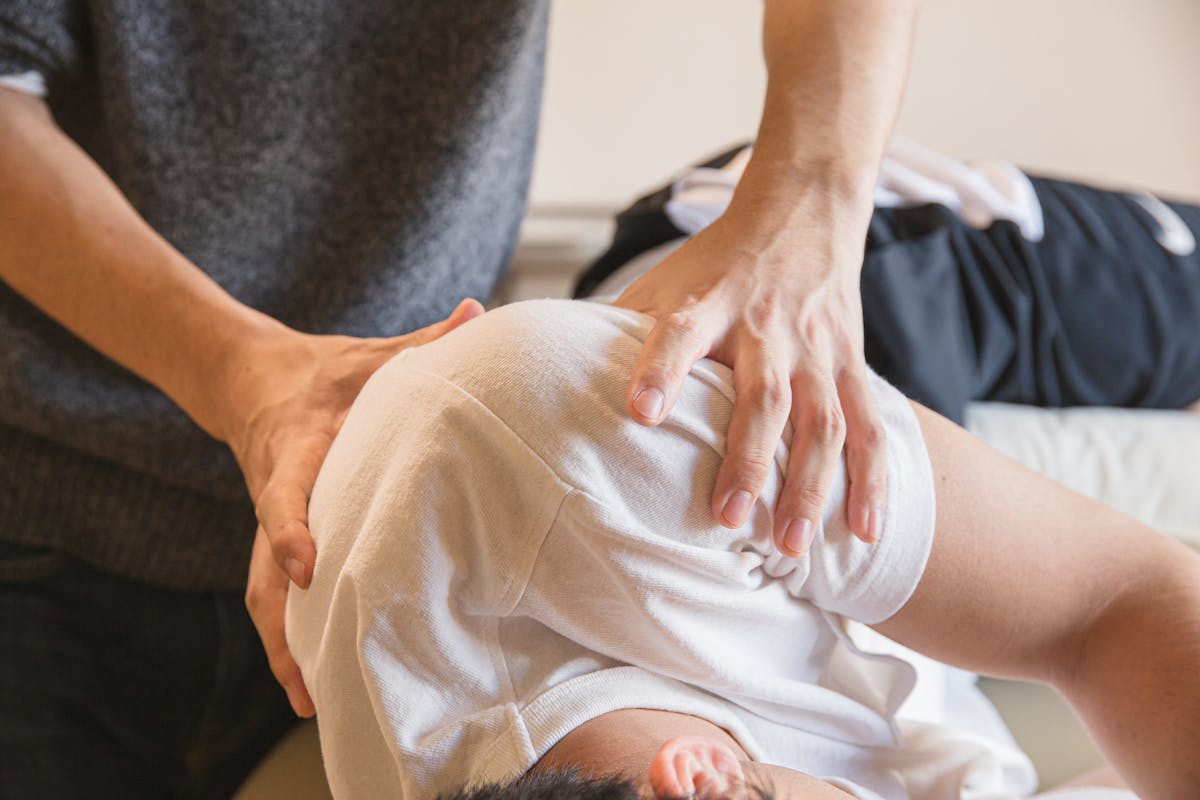
Heat and cold bring relief in the moment — but the thing that genuinely reduces aches over the weeks is gentle, regular movement. Muscles that move a little every day support your joints better, tolerate activity more comfortably, and stiffen up far less.
That does not mean a gym membership. Ten minutes of easy resistance work at home is enough for most people to feel a difference within a few weeks. Our Gentle Resistance Bands were chosen exactly for this: soft fabric, joint-friendly resistance levels, and simple enough to use while watching television. You will find more easy options in our Recovery & Pain Relief collection.
If you would like a ready-made routine, our guide to gentle stretches for stiff hips and a stiff back pairs beautifully with a warm-up.
When to check in with a professional
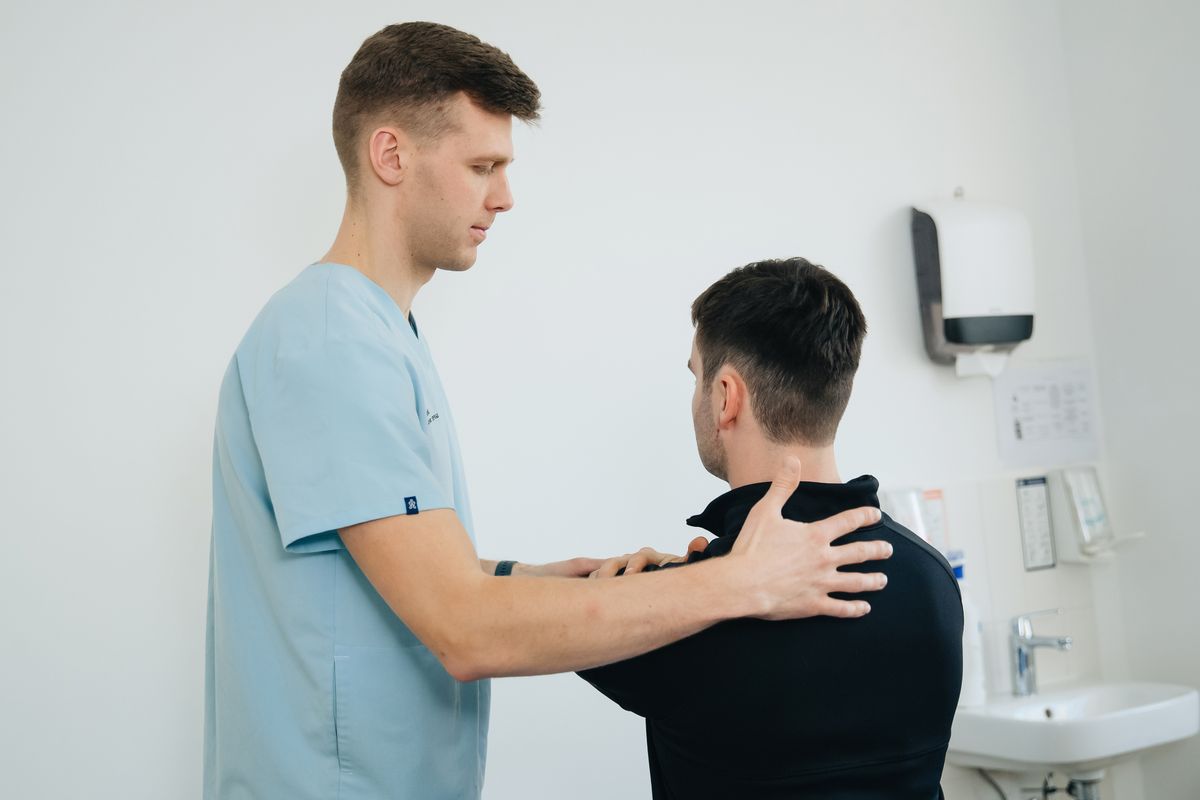
Heat and cold are wonderful for everyday aches — but they are comfort tools, not treatments. If a pain is severe, follows a fall, comes with numbness or tingling, or simply is not improving after a couple of weeks, please have it looked at by your GP or a physiotherapist. This article is general wellbeing information, not medical advice.
The bottom line
Cold calms what is new. Heat loosens what is old. Gentle movement keeps both visits rarer. Master those three ideas and you have a complete, sensible toolkit for everyday comfort after 55.
New to Olyvita? Join our newsletter and get 10% off your first order with code WELCOME10 — plus practical wellness tips like this one every week.
0 comentarios