
After 55, it's common to notice new aches around the hip or the knee — especially after a long walk, a flight of stairs, or simply getting up from a chair. But hip pain and knee pain don't always feel the same, and they don't always call for the same response. Learning to tell them apart can help you know what to try at home, and when it's worth a conversation with your doctor.
This article is for general education only and isn't a substitute for a proper medical evaluation. If pain is severe, sudden, or affects your ability to walk, please see a healthcare professional.

Where You Feel It Is the First Clue
Hip discomfort tends to show up in the groin, the outer thigh, or even the buttock — many people are surprised their "hip pain" is actually felt lower, toward the front of the thigh. Knee discomfort, on the other hand, is usually easy to pinpoint: it's felt directly at or around the knee joint itself, sometimes with visible swelling.
A simple way to start narrowing things down: press gently around the area. Pain that's easy to locate with one finger often points to the knee. Pain that's harder to pinpoint and seems to radiate is more often coming from the hip.

What Seems to Trigger It
Hip discomfort often gets worse after sitting for a while — think a long car ride or a movie — and can make that first push out of the chair feel stiff. Knee discomfort, meanwhile, tends to flare with activities that load the joint directly: climbing stairs, kneeling, or standing up from a low seat.
Neither pattern is a diagnosis on its own, but noticing when your discomfort shows up is genuinely useful information to share with a doctor if it persists.

Gentle Habits That Support Both Joints
Whether the discomfort is coming from the hip or the knee, a few low-impact habits tend to help either way:
- Move often, in small doses. Short walks throughout the day are usually easier on both joints than one long session.
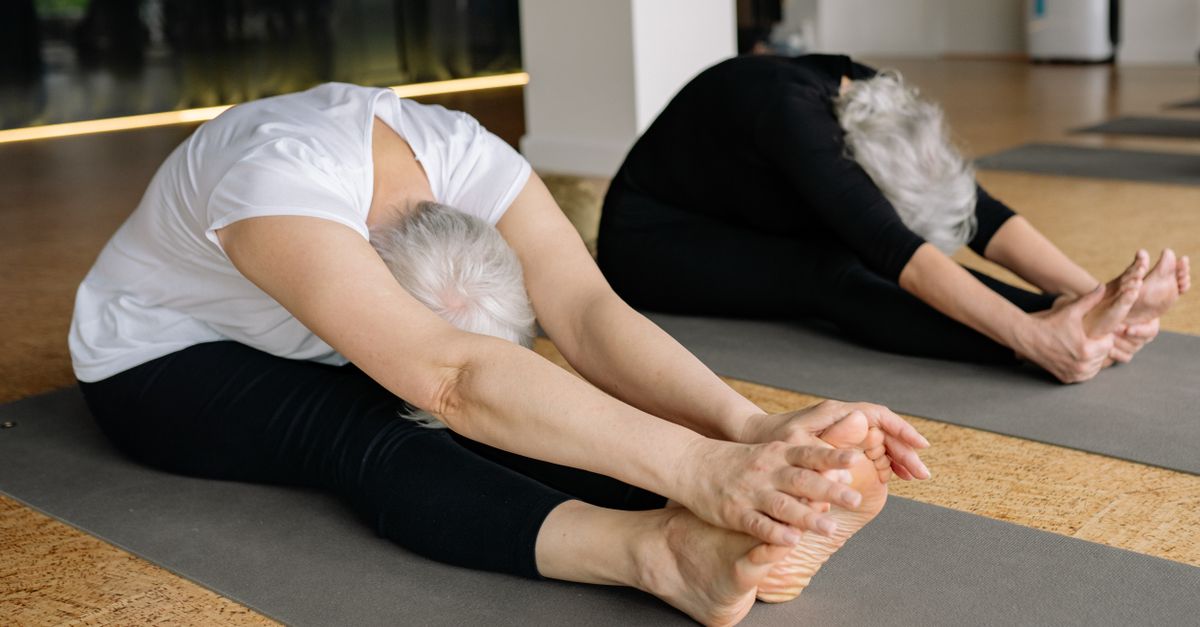
- Warm up before you stretch. A few minutes of gentle marching in place before stretching helps muscles respond better.
- Support your posture while seated. How you sit affects how much load travels through the hips and knees when you stand back up.
- Choose supportive footwear. Worn-out or unsupportive shoes change how forces travel up through the knee and hip with every step.
When It's Time to See a Doctor
Most everyday stiffness eases with rest, movement, and time. But it's worth booking a doctor's visit if you notice:
- Pain that doesn't improve after a week or two of rest
- Visible swelling, redness, or warmth around the joint
- Difficulty bearing weight on the leg
- A noticeable change in how you walk
- Pain that wakes you up at night
A doctor or physical therapist can properly assess what's going on and recommend the right next step — this article is meant to help you describe what you're feeling more clearly, not to replace that visit.

Building a Little Support Into Your Day
Alongside movement and posture habits, many people find it helpful to add a little extra support to their daily routine — whether that's a comfortable brace during activity, a cushion that eases pressure while seated, or simply paying more attention to alignment throughout the day. Small, consistent habits tend to add up more than any single fix.
If you're looking for gentle, everyday support, our Mobility & Posture collection and Recovery & Pain Relief collection were put together with exactly this in mind — comfort-first pieces designed to fit naturally into daily life after 55.

The Takeaway
Hip and knee discomfort can feel similar at first glance, but where it shows up and what triggers it usually tell two different stories. Paying attention to those details — and staying consistent with gentle movement — is one of the simplest ways to stay steady and active for years to come.
0 comentarios