
If you're noticing new aches in your knees, hips, or hands around midlife, you're far from alone. Many women are surprised to learn that menopause doesn't just affect sleep and mood — it can also show up as joint stiffness and discomfort that seems to appear out of nowhere. Understanding why this happens is the first step toward finding real relief.
Why Menopause Can Affect Your Joints
Estrogen does more than regulate reproductive health — it also plays a role in keeping joints lubricated and helping the body manage inflammation. As estrogen levels decline during menopause, many women notice their joints feel stiffer, less cushioned, and more reactive than before. This is sometimes called menopausal arthralgia, and while it's a very common experience, it's not something you simply have to live with.
Common Signs Women Notice
Joint discomfort linked to menopause can show up differently from person to person, but some patterns are especially common:
- Morning stiffness that eases as the day goes on
- Aching in the knees, hips, or lower back, especially after sitting for a while
- New sensitivity in the hands and fingers
- A general feeling of being less flexible than in previous years
If any of this sounds familiar, know that these changes are a recognized part of the menopause transition — not a sign that something is wrong with you.
Natural Ways to Ease Menopause-Related Joint Discomfort
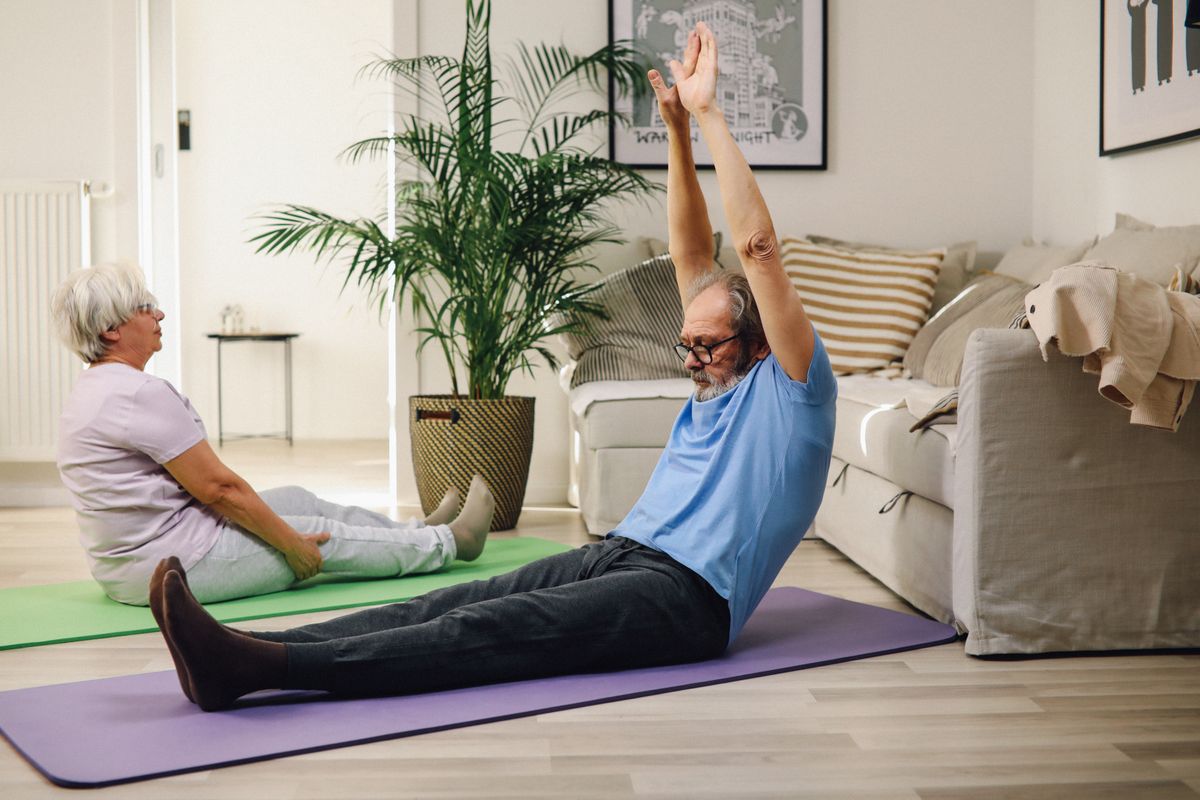
- Stay gently active. Low-impact movement like walking, swimming, or stretching helps keep joints lubricated and muscles supportive.
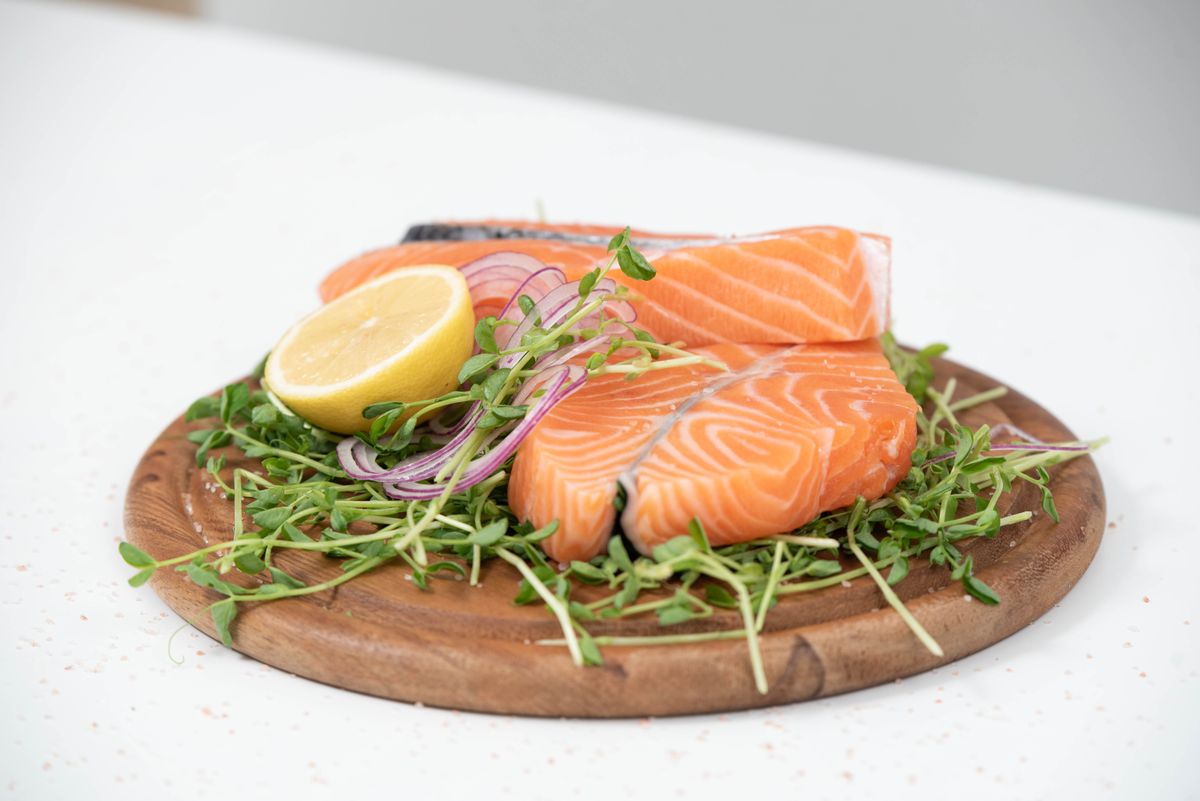
- Focus on anti-inflammatory foods. Fatty fish, leafy greens, berries, and olive oil are well known for supporting the body's natural inflammation response.
- Stay well hydrated. Cartilage relies on water to stay cushioned, so hydration plays a bigger role in joint comfort than most people realize.
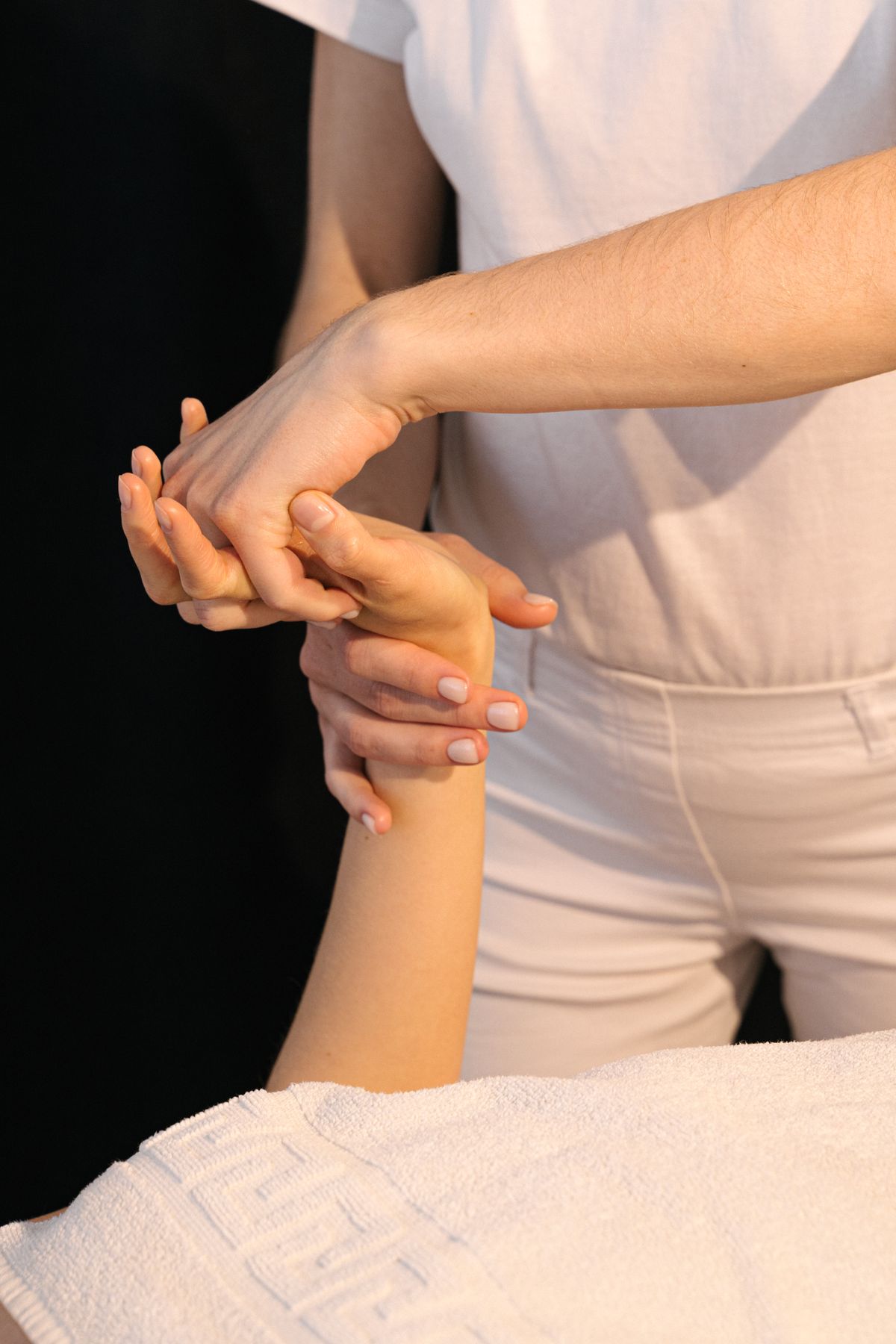
- Support healthy movement patterns. Gentle self-massage or mobility tools can help ease tension in stiff areas.
- Prioritize rest and stress management. Chronic stress can amplify how pain and inflammation are felt in the body.

When Gentle Support Makes a Difference
Many women find that small, consistent habits — paired with the right support tools — make daily movement noticeably more comfortable. Products designed for gentle mobility and recovery can be a helpful part of a broader routine, especially on days when stiffness is more noticeable. The goal isn't to push through discomfort, but to work with your body as it changes.
You Don't Have to Navigate This Alone
Menopause-related joint discomfort is common, well documented, and manageable. With a combination of gentle movement, supportive nutrition, and the right tools, many women find they can stay active and comfortable through this transition — and even rediscover activities they'd stepped away from.

Explore Olyvita's Recovery & Pain Relief collection to find gentle, supportive products designed to help you move through midlife with more comfort and confidence.
0 comentarios