
Most of us don't decide to sit for eight hours a day — it just happens. Breakfast at the table, the morning paper, a bit of television, a phone call, lunch, more television. By evening, the hours have quietly added up.
After 55, those hours matter more than they used to. This isn't about guilt or turning your living room into a gym. It's about understanding what long stretches of sitting do to your body — and the small, gentle habits that counter it surprisingly well.
Why sitting adds up differently after 55
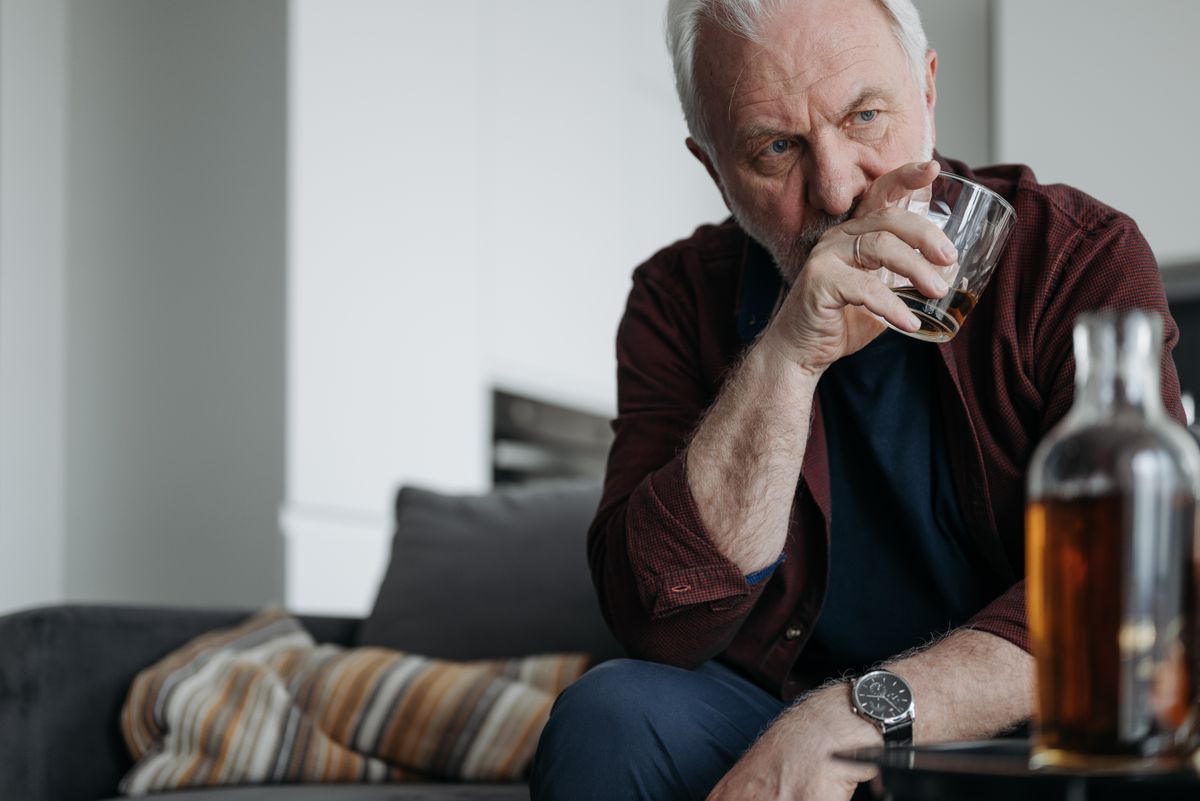
Our bodies are built to alternate between movement and rest. When sitting dominates the day, a few things tend to happen gradually:
- Hip flexors shorten. The muscles at the front of your hips adapt to the seated position, which can make standing tall feel harder and contribute to lower back discomfort.
- Posture slumps. Hours in a soft chair encourage rounded shoulders and a forward head position — patterns that follow you when you stand up.
- Circulation slows. Legs and feet can feel heavy or stiff after long stretches without movement.
- Energy dips. Paradoxically, the more we sit, the more tired we often feel. Gentle movement is one of the most reliable natural energisers there is.
The encouraging news? Research consistently suggests that the antidote isn't intense exercise — it's frequent, light movement spread across the day. Here are five realistic ways to build it in.
1. Adopt the 30-minute rule
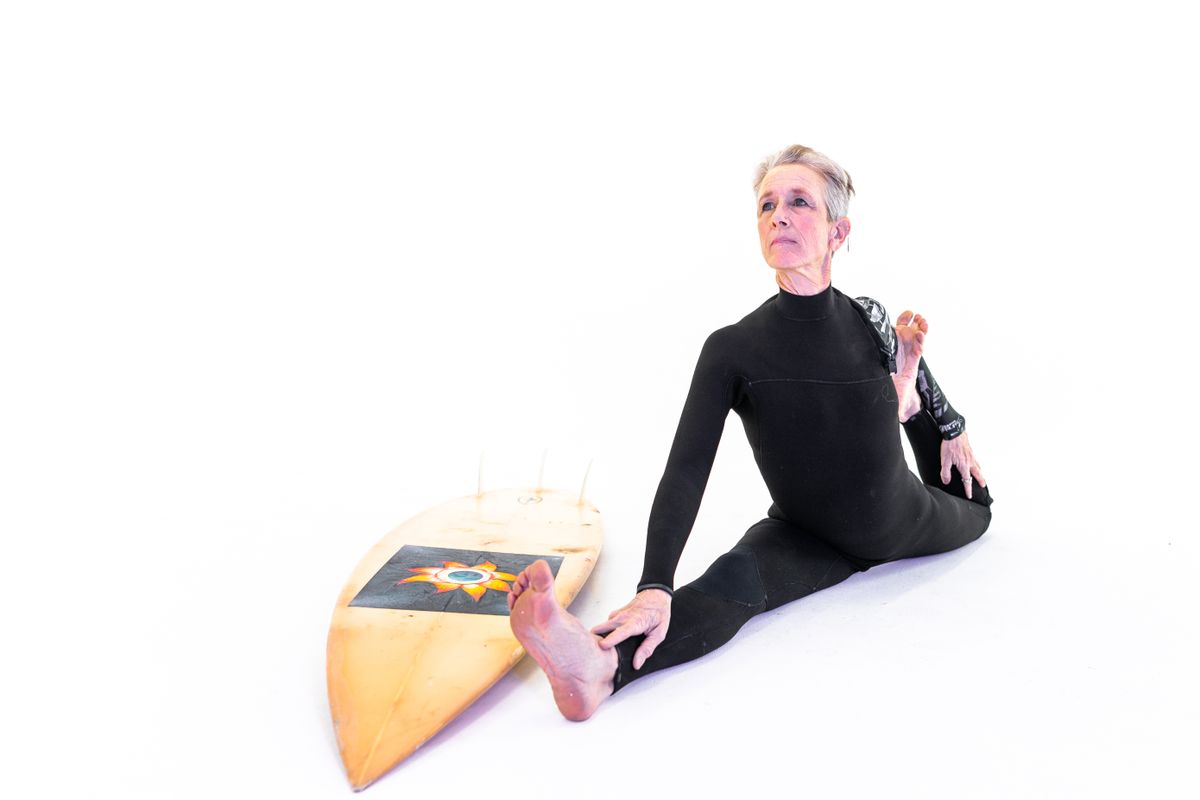
The simplest habit with the biggest payoff: stand up at least once every 30 minutes. You don't need to do anything special — stand, roll your shoulders back, reach your arms overhead, take a few steps.
Make it effortless: tie it to natural breaks. Stand up during television adverts, after finishing a chapter, or whenever the phone rings. Some people set a gentle timer; others simply keep their water glass in the kitchen so they have to get up to refill it.
2. Stack movement onto things you already do
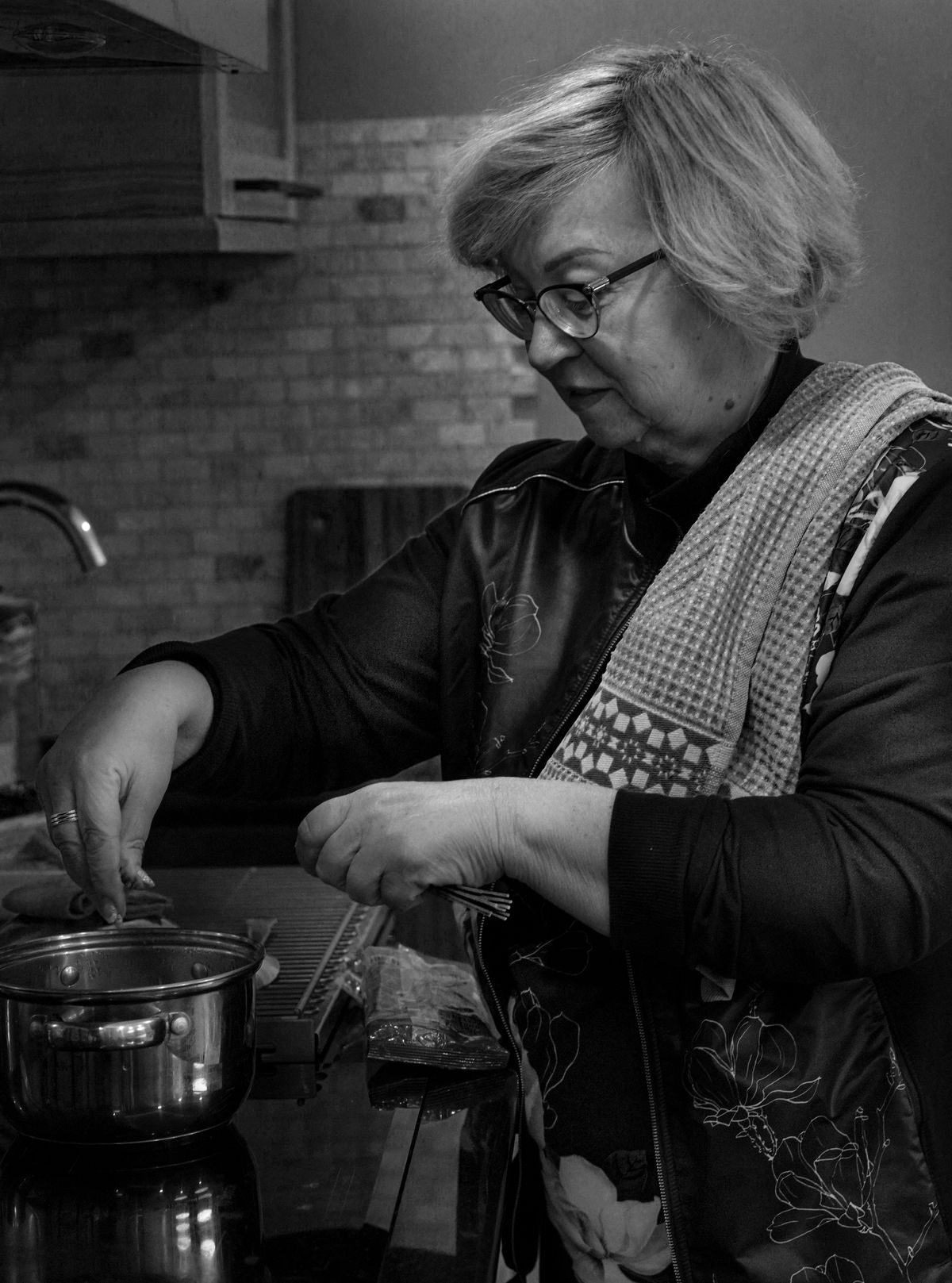
The easiest movement is the kind you don't have to schedule. While the kettle boils, do a few slow heel raises holding the counter. While brushing your teeth, shift your weight gently from one leg to the other. While on the phone, walk slowly around the room instead of sitting.
These "movement snacks" feel like nothing in the moment — but repeated daily, they keep your hips, calves and balance quietly engaged.
3. Protect one short daily walk
A 10–15 minute walk does more for stiffness, circulation and mood than most people expect. It doesn't need to be brisk. The value is in the regularity, not the pace.
If you live in the UK or Ireland, the weather will not always cooperate — walking indoors counts too. A few laps of the house or a slow wander around a shopping centre keeps the habit alive on rainy days.
4. Add two or three gentle strength moves
Sitting weakens the exact muscles that make getting out of a chair easy: hips, thighs and glutes. A few minutes of gentle resistance work, two or three times a week, helps keep those muscles on your side.
Simple sit-to-stands from a sturdy chair are an excellent start. If you'd like a little extra support and progression, soft fabric resistance bands designed for adults 55+ make these movements comfortable on the joints — no weights, no gym, just a few minutes in your living room. You'll find gentle equipment like this in our Mobility & Posture collection.
5. Choose hobbies that keep you on your feet
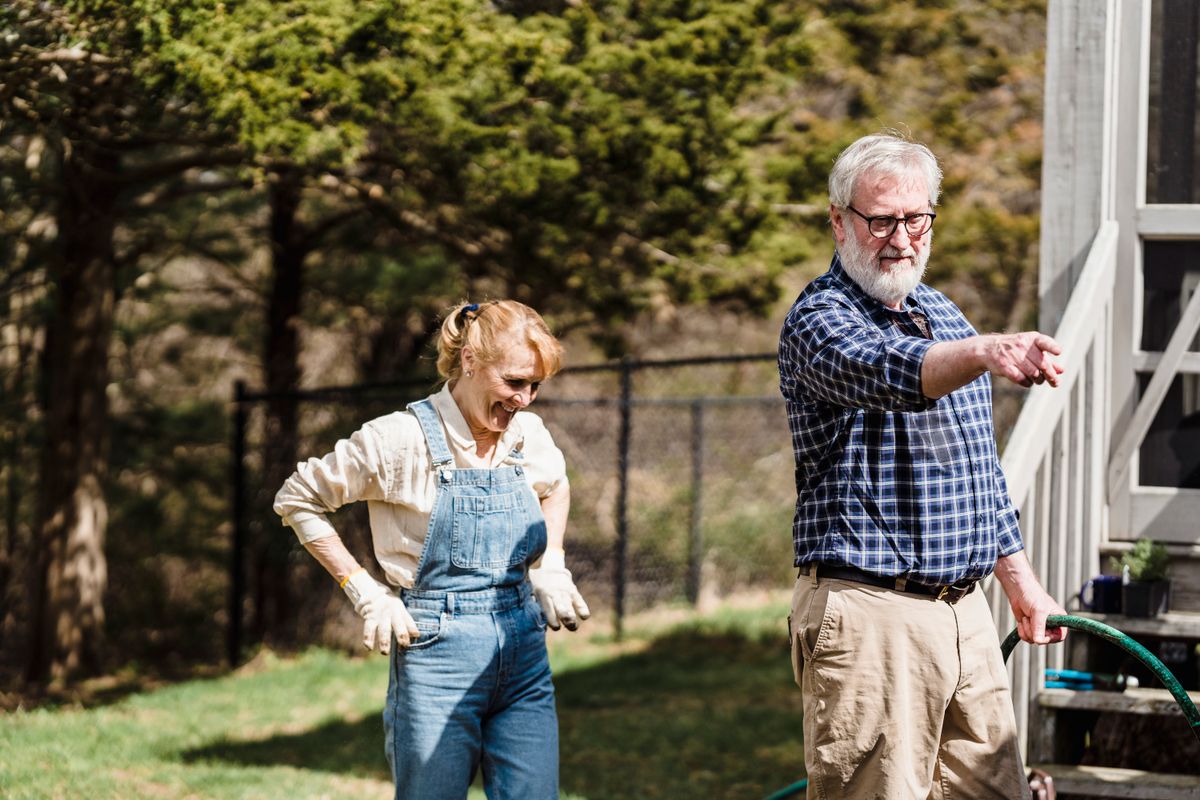
Some of the best "exercise" doesn't feel like exercise at all. Gardening, light DIY, cooking a proper meal, browsing a market — anything that keeps you standing, reaching and moving counts fully.

If you already have a hobby you love that happens to involve movement, protect it fiercely. It's doing more for your health than it gets credit for.
The bottom line
You don't need to overhaul your life. Stand more often, sprinkle small movements through the day, keep a short walk in your routine, and give your legs a little strength work each week. Sitting will always be part of a comfortable life — it just shouldn't be the whole story.
And if stiffness or aches are making movement less inviting than it used to be, our Recovery & Pain Relief collection has gentle tools to help you feel more comfortable along the way. New here? Use code WELCOME10 for 10% off your first order.
This article is for general information only and is not medical advice. If you have a health condition or new pain, please speak with your GP before changing your activity routine.
0 comentarios