
The jar lid that won't budge. The morning your fingers feel like they belong to someone else. The button that takes three tries. If your hands have started to feel stiffer, weaker, or achier than they used to after 55, you are in very good company — and there is a lot you can gently do about it.
Your hands do more small, precise work than almost any other part of your body, so even a little stiffness gets noticed fast. The good news: most everyday hand stiffness after 55 responds well to warmth, gentle movement, and a few simple daily habits. Let's walk through why it happens and six kind, practical ways to ease it.
Why your hands change after 55
Hands are built from a lot of small joints, thin tendons, and delicate ligaments, all working together. Over the years, a few natural changes tend to add up:
The cushioning thins. The smooth cartilage that lets finger joints glide can gradually wear, so joints feel stiffer and sometimes tender — this is the everyday osteoarthritis that shows up most in the base of the thumb and the finger joints.
Tissues get less stretchy. Tendons and ligaments lose a little of their springiness with age, which is why hands often feel tightest first thing in the morning and loosen up once you start moving.
Grip strength quietly fades. From our 50s onward, the small muscles of the hand slowly lose bulk unless we keep using them — which is exactly why lids, taps, and packaging start to feel like a workout.
Hormones play a part. Around and after menopause, lower oestrogen is linked to more joint aches and stiffness, and the hands are a very common place to feel it.
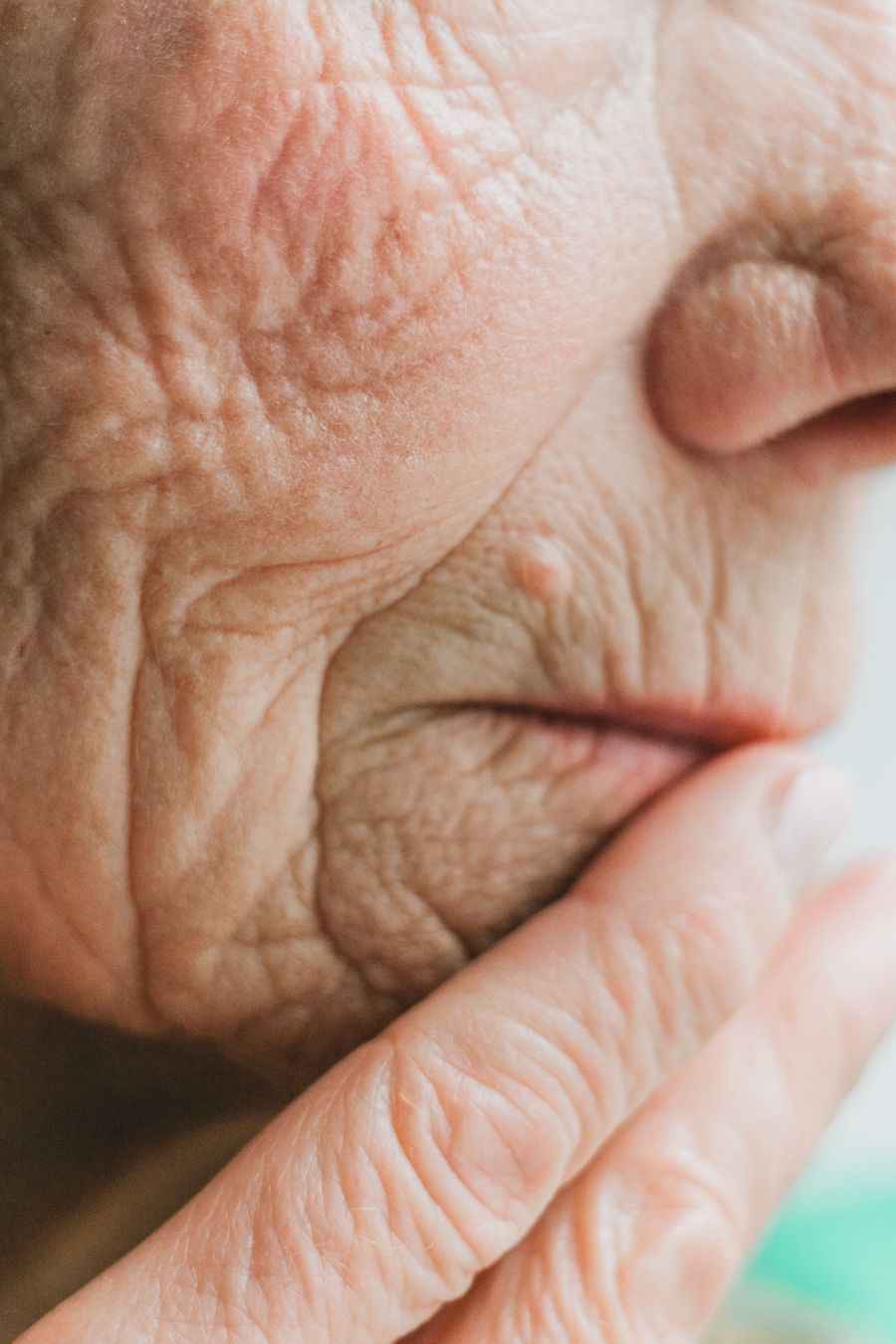
None of this means your hands are wearing out. It means they'd love a little daily attention — the same way a hinge works better with a drop of oil and regular use.
When it's more than everyday stiffness
Most morning stiffness eases within a few minutes of moving. It's worth checking in with your GP, though, if you notice hands or knuckles that are hot, red, or visibly swollen; stiffness that lasts more than an hour every morning; sudden weakness, numbness, or tingling; or a joint that locks, gives way, or is genuinely painful to use. These can point to something like inflammatory arthritis or carpal tunnel that benefits from proper assessment.
6 gentle ways to ease stiff, aching hands
1. Start the day with warmth
Warmth is the simplest first step. Run your hands under comfortably warm water for a minute or two, soak them in a bowl of warm water, or wrap them around a warm mug before you ask them to do anything fiddly. Heat relaxes tissues and eases that first-thing-in-the-morning tightness, making everything that follows more comfortable.

2. Move every joint, gently
A minute of easy movement keeps the finger joints supple. Try these, slowly and without forcing:
• Fist to open: make a soft fist, then spread your fingers wide and straight. Repeat 8–10 times.
• Finger lifts: rest your palm flat on a table and lift each finger one at a time.
• Thumb touches: touch the tip of your thumb to each fingertip in turn, like counting.
• Wrist circles: slow, easy circles in both directions to loosen the whole hand.
Stop short of pain — this should feel like a pleasant stretch, never a strain.
3. Build a little gentle strength
Stronger hands are more comfortable hands, because the muscles take some of the load off tired joints. Squeezing a soft ball or a rolled-up sock for a few seconds at a time is a friendly place to start. When you're ready to progress, light resistance work for the hands, wrists, and forearms builds grip you'll feel every time you open a lid or carry the shopping. Our Gentle Resistance Bands are designed for exactly this kind of low-impact, build-at-your-own-pace strengthening at home.
4. Give your hands a soothing massage
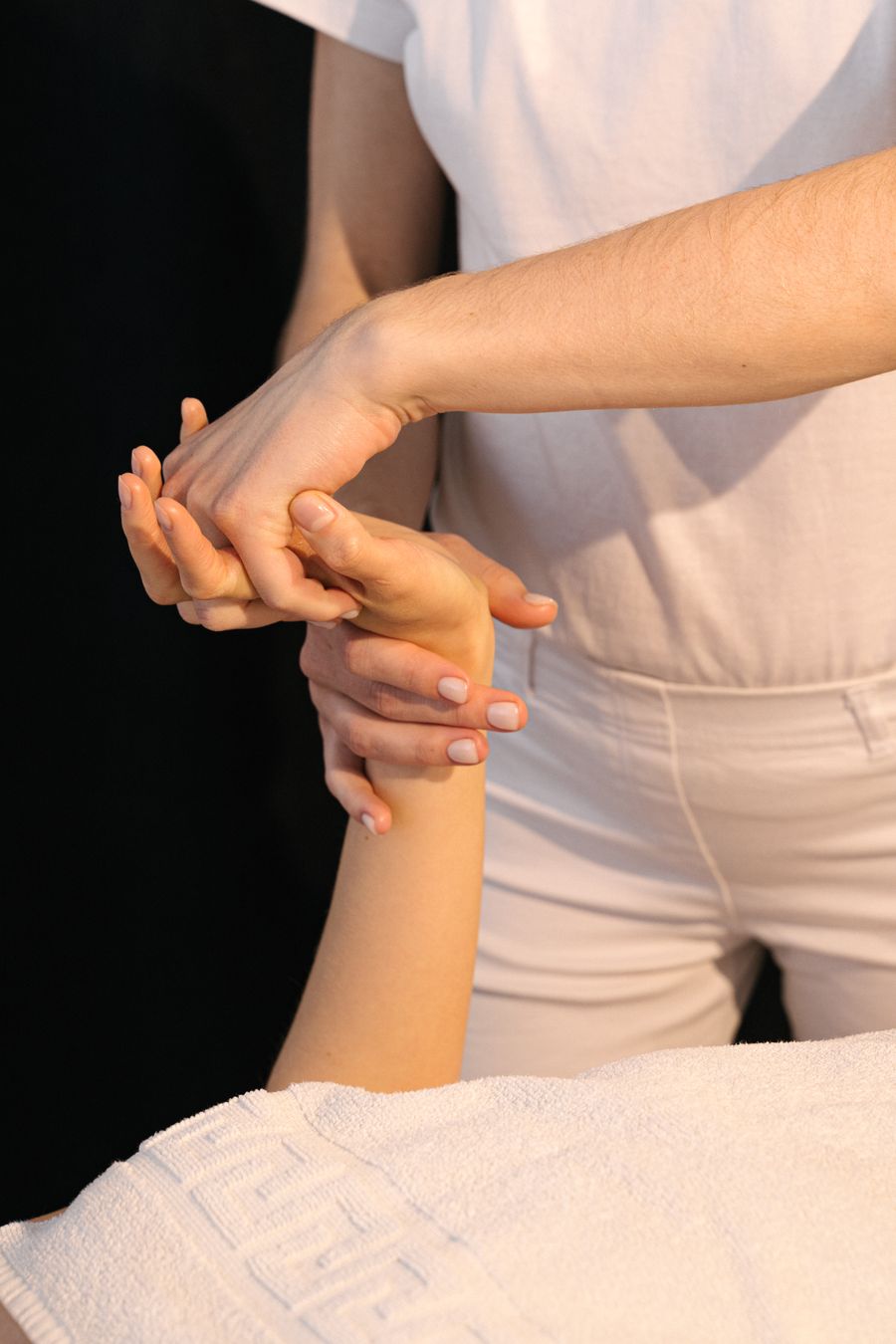
A short self-massage feels wonderful and helps ease stiffness. Use a little hand cream, then work slowly over each finger and the fleshy web between your thumb and index finger, adding gentle circles into the palm. A couple of minutes in the evening can leave your hands looser and calmer before bed.
5. Keep using them
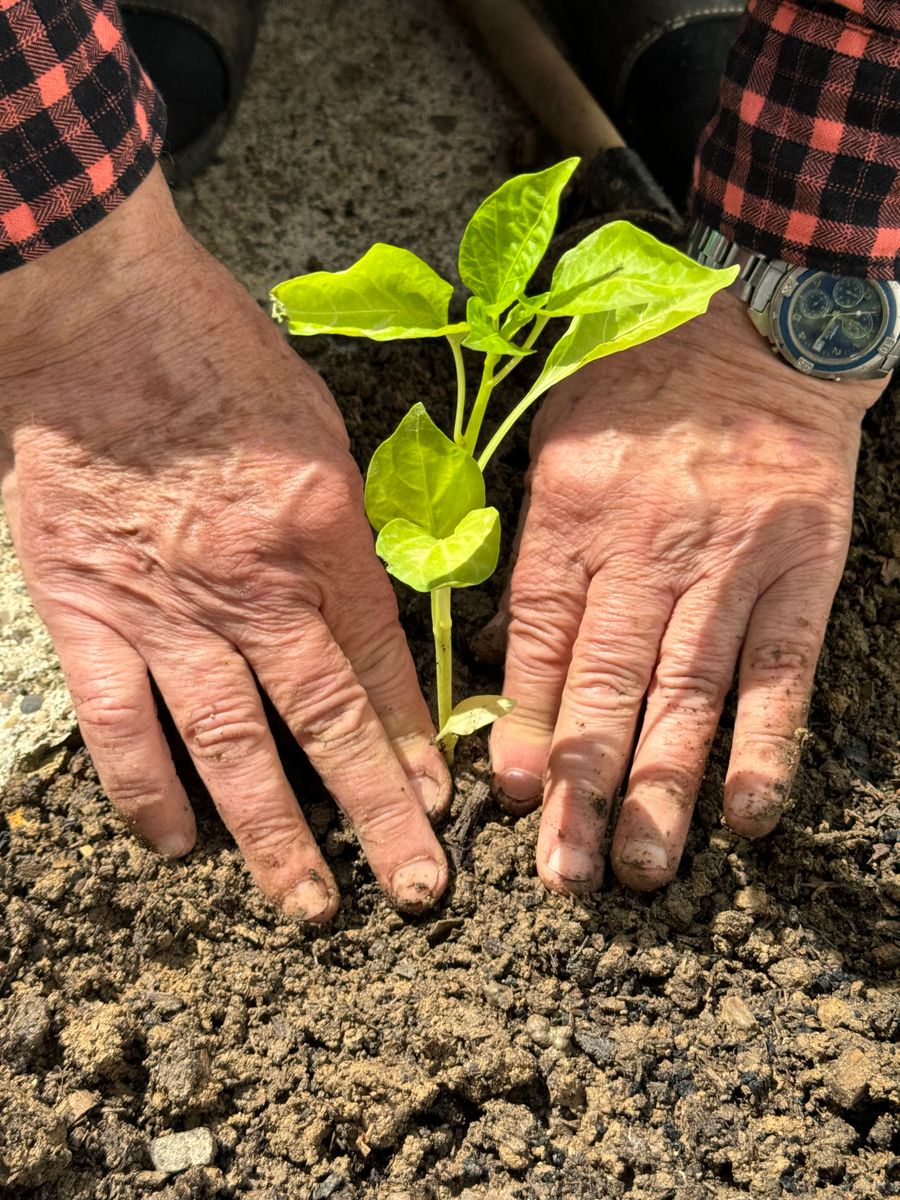
Hands stay their best when they stay busy. Gardening, kneading dough, knitting, playing cards, doing a puzzle, or simply pottering all keep the joints mobile and the small muscles working. The trick is little and often rather than one long session — and taking a short break to stretch if a task starts to ache.
6. Support your joints from the inside
Everyday habits help too. Staying well hydrated keeps tissues supple, and foods rich in omega-3 — oily fish like salmon, sardines, and mackerel, plus walnuts and flaxseed — are associated with calmer, less achy joints. Gentle all-over movement most days keeps circulation flowing to your hands as well. For more on eating for comfort, see our guide to anti-inflammatory foods after 55.
Your 5-minute daily hand routine
Put it together and you have a lovely little morning habit:
1. Warm the hands (1 minute)
2. Fist-to-open and finger lifts (1 minute)
3. Thumb touches and wrist circles (1 minute)
4. A few soft ball squeezes (1 minute)
5. A quick massage with hand cream (1 minute)
Five minutes, once a day, is enough to make a real difference over a few weeks.
Small changes, steadier hands
Stiff hands after 55 are common, but they don't have to be something you simply put up with. A little warmth, a few gentle movements, some light strengthening, and the everyday things you already enjoy can keep your hands comfortable, capable, and confident — for jar lids, buttons, and everything else that matters.
Ready to build gentle strength back into your hands and body? Explore our Recovery & Pain Relief collection for simple, low-impact tools made for adults 55+.
New to Olyvita? Use code WELCOME10 for 10% off your first order.
This article is for general information only and is not medical advice. If you have persistent hand pain, swelling, numbness, or any concerns about your joints, please speak with your GP or a qualified health professional before starting or changing an exercise routine.
0 comentarios