
If you're over 55 and you walk most days, you're already doing one of the best things possible for your long-term health. But two questions come up again and again: am I walking enough? And is a gentle stroll actually doing anything?
The answers are more encouraging than you might expect. Let's look at what the research really says — and five simple ways to get more out of the walk you're already taking.
The 10,000-Step Myth
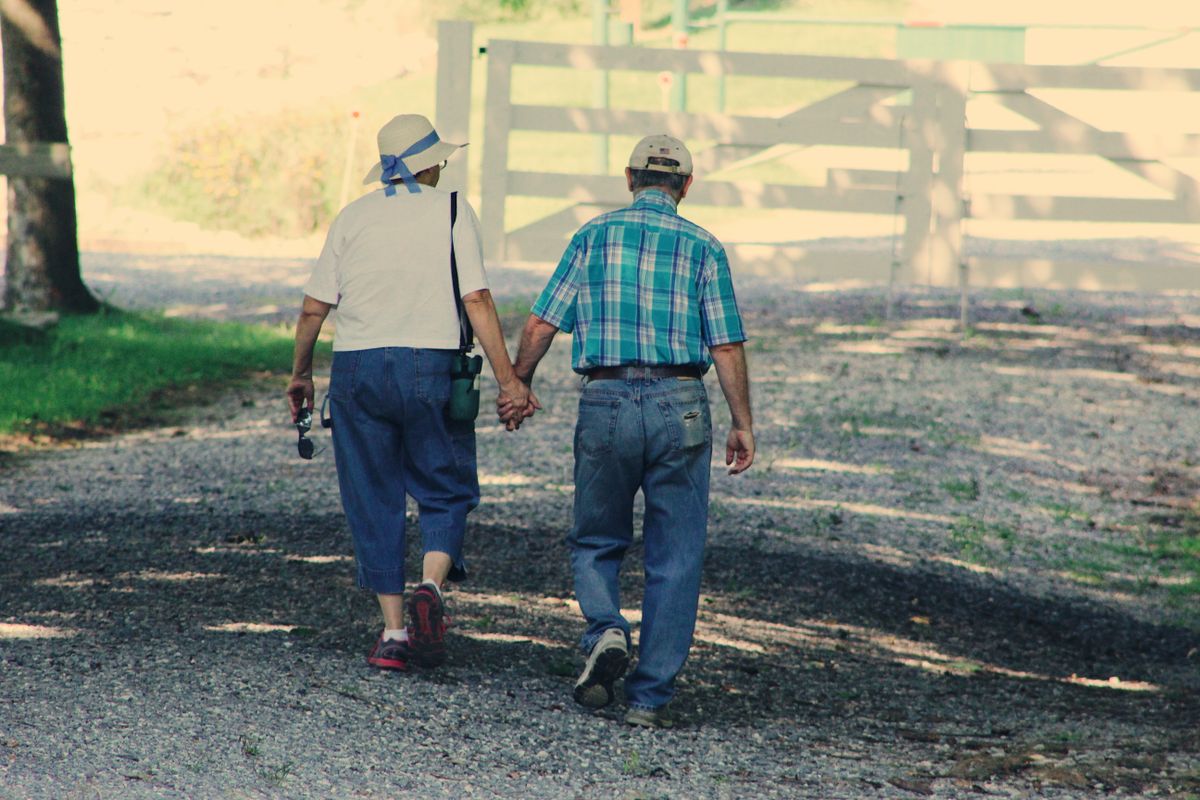
Here's something that surprises most people: the famous 10,000-step target didn't come from science. It originated as a marketing slogan for a Japanese pedometer in the 1960s — the device was called manpo-kei, literally "10,000-step meter". The number stuck because it was memorable, not because it was medically proven.
More recent research paints a much friendlier picture for adults over 55. Large studies tracking older adults have found that the biggest health gains — lower risk of heart disease, better mobility, improved mood — appear between roughly 6,000 and 8,000 steps a day. Beyond that, the benefits level off. And crucially, even people who went from very few steps to a modest daily amount saw meaningful improvements.
In other words: if 10,000 steps has ever felt out of reach, you can let that number go. You never needed it.
How Much Walking Is Actually Enough After 55?

If counting steps isn't your thing, think in minutes instead. The general guidance for adults — including adults over 55 — is about 150 minutes of moderate activity per week. That works out to just over 20 minutes a day, or 30 minutes five days a week.
"Moderate" simply means a pace where you're breathing a little harder but can still hold a conversation. A brisk walk to the shops, a loop around the park, or a walk with a friend all count.
And if 20 minutes feels like a lot right now, start smaller. Three 10-minute walks spread across the day deliver very similar benefits to one longer walk — and they're often easier on the joints and easier to fit into real life.
5 Ways to Get More From Your Daily Walk
Once walking is a habit, a few small tweaks can turn an ordinary stroll into genuine training for your heart, muscles and balance.
1. Add short bursts of pace
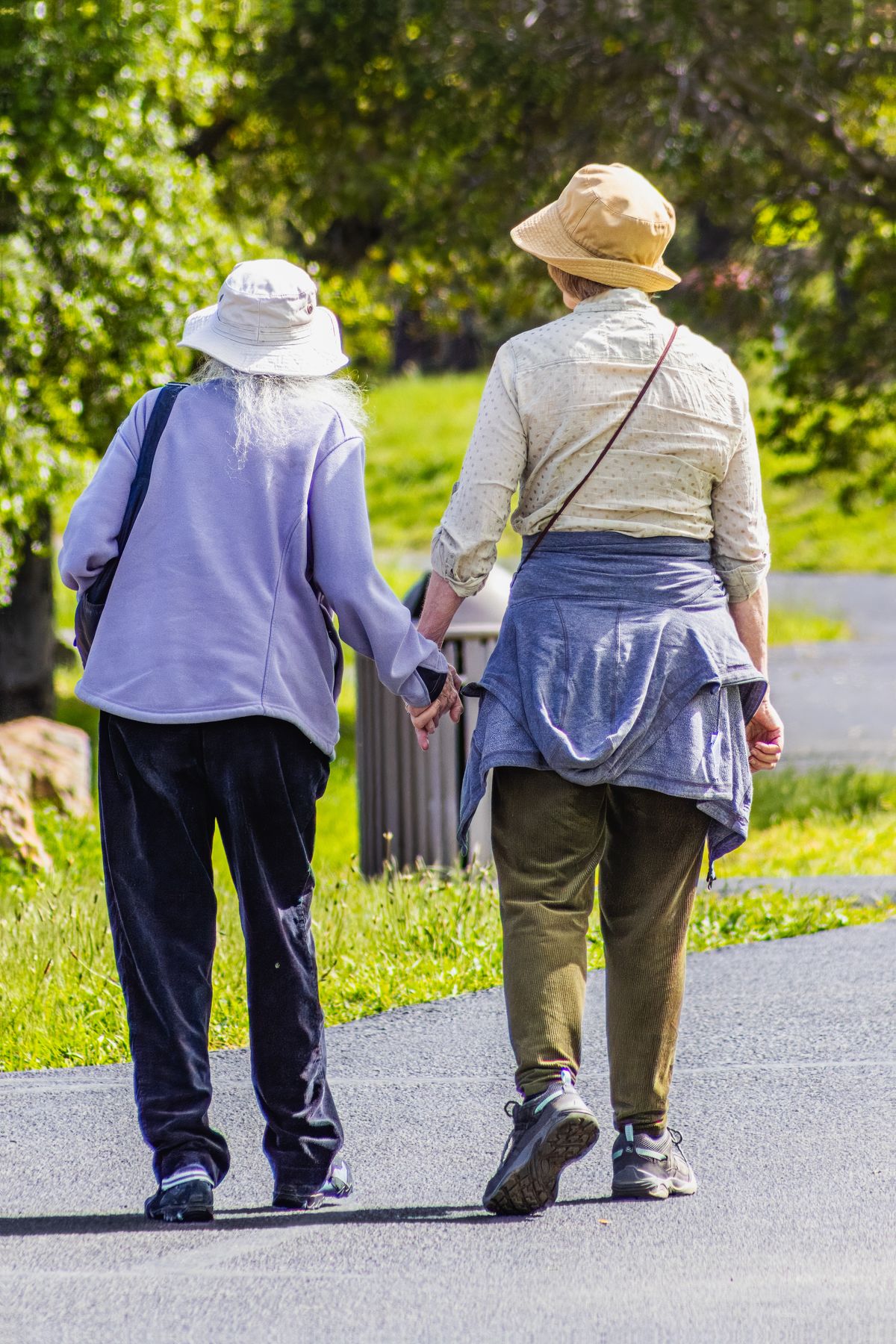
Try "interval walking": walk at your normal pace for three minutes, then pick it up to a brisk pace for one minute, and repeat. Research on older adults suggests this simple pattern improves fitness and leg strength more than walking at a single steady pace — without requiring any extra time.
2. Find some gentle hills
A slight incline works your thigh and hip muscles harder, raises your heart rate naturally, and challenges your balance in a safe way. If your route is completely flat, even a gentle slope, a footbridge or a few stairs along the way makes a difference.
3. Swing your arms and stand tall
Posture matters. Walking with your head up, shoulders relaxed and arms swinging naturally engages your core, opens your chest for easier breathing, and reduces strain on your lower back. Imagine a string gently pulling the crown of your head toward the sky.
4. Vary your surfaces

Grass, gravel paths, woodland trails — slightly uneven ground asks more of the small stabilising muscles in your ankles and hips. Those are exactly the muscles that protect your balance as you age. Start with well-maintained paths and sturdy shoes, and let your confidence build gradually.
5. Make it social
People who walk with a partner, a friend or a walking group are far more likely to still be walking six months later. Company turns exercise into something you look forward to — and regular conversation during a walk is a good natural check that you're at the right "moderate" pace.
Why Walking Alone Isn't Quite Enough
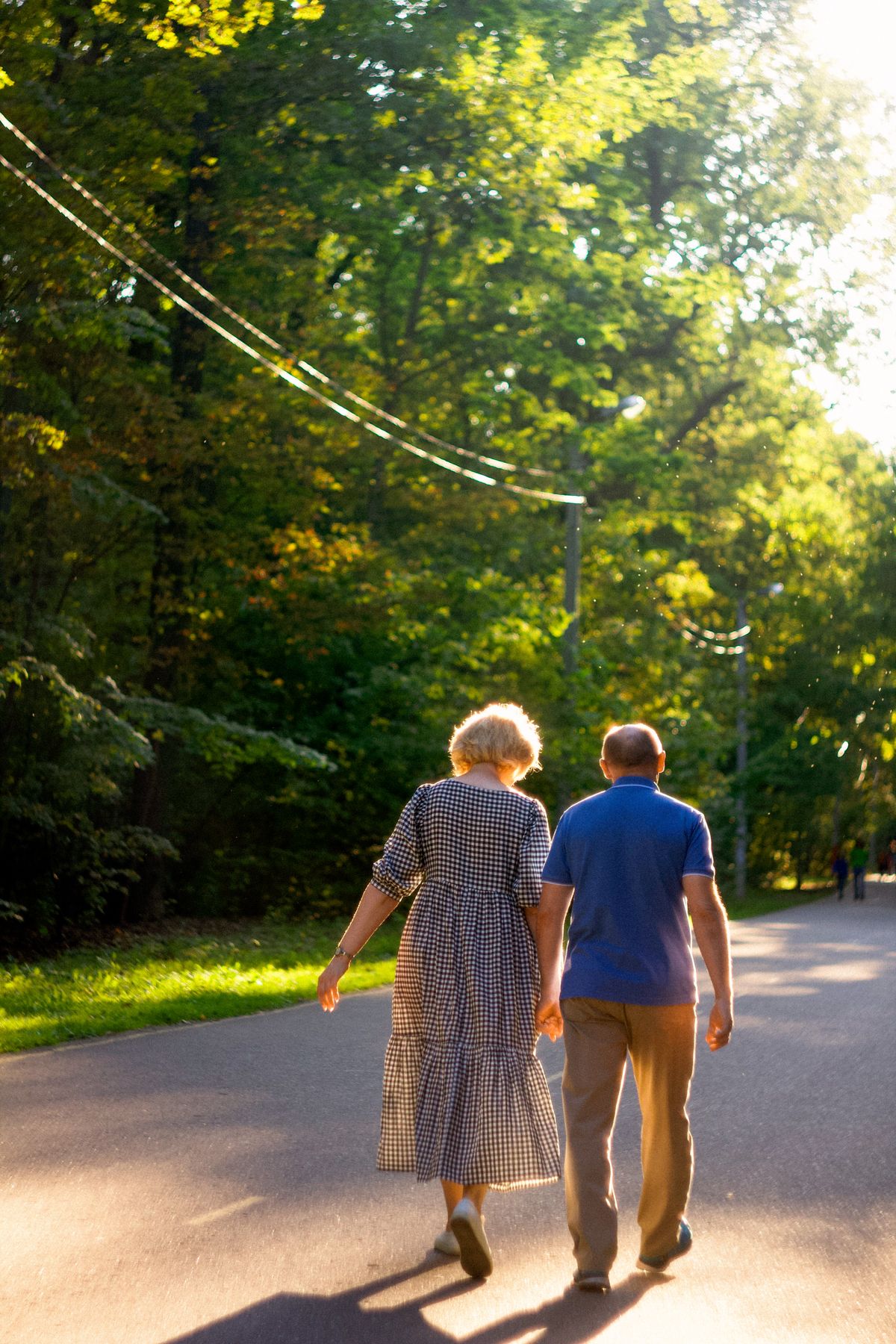
Walking is superb for your heart, joints and mood — but it mostly works your body in one direction, and it doesn't fully maintain muscle strength. After 55, we naturally lose muscle a little faster, and strength is what keeps you steady on stairs, confident on kerbs, and independent for years to come.
That's why health guidelines recommend pairing regular walking with two short strength sessions a week. It doesn't need to be a gym. Ten minutes at home with a set of gentle resistance bands — a few sit-to-stands, side steps and leg presses — targets exactly the hip and thigh muscles that make walking feel easier and safer.
You can explore our full range of gentle home equipment in the Mobility & Posture collection, and if steadiness is a concern, our guide to simple balance exercises after 55 pairs beautifully with a daily walk.
Make It a Habit That Sticks
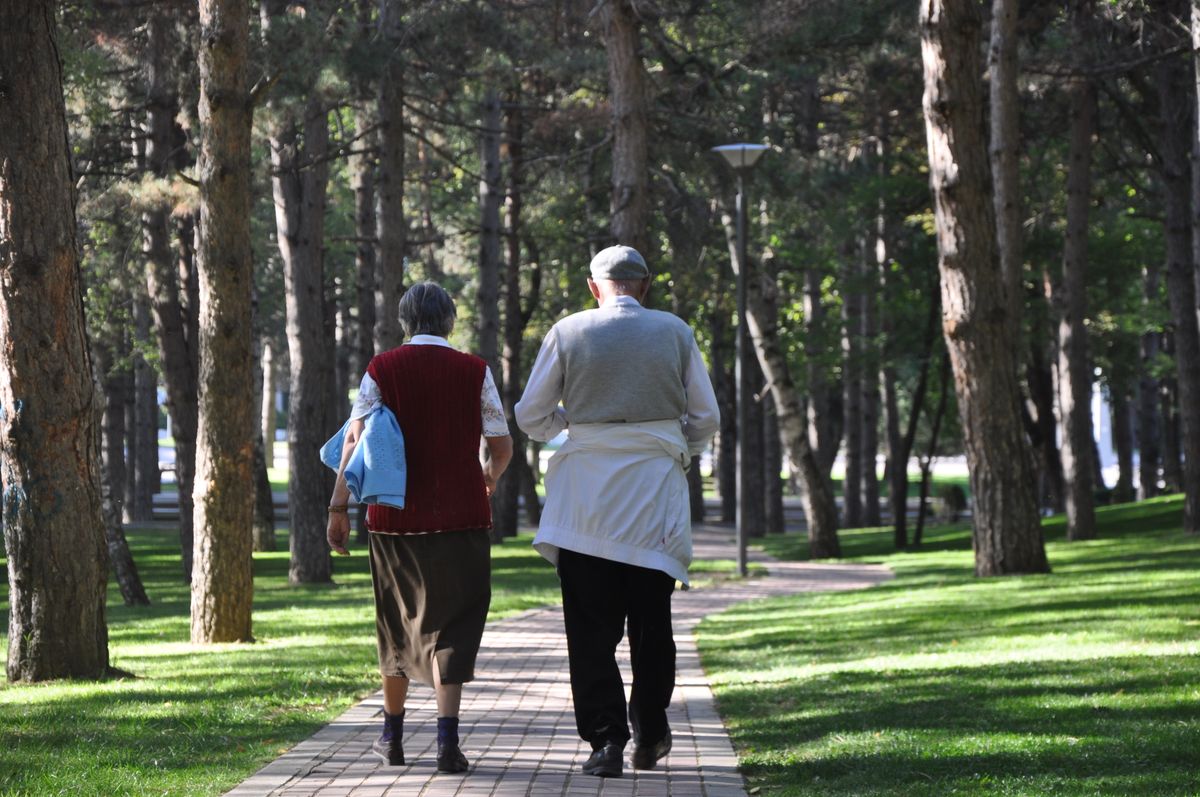
The best walking routine is the one you'll actually keep. A few things that help:
- Anchor it to something you already do — after breakfast, after the news, before dinner.
- Lay out your shoes the night before. Small friction removed = habit kept.
- Track minutes, not steps, if numbers stress you. "I walked 25 minutes today" is a win.
- Have a wet-weather plan. In the UK and Ireland, you'll need one! A covered shopping centre loop or an indoor march during the adverts both count.
Your daily walk is already one of the smartest investments you're making in your health. With a few small adjustments — a burst of pace here, a gentle hill there, a couple of strength sessions a week — it becomes even more powerful.
New to Olyvita? Use code WELCOME10 for 10% off your first order.
This article is for general information only and is not medical advice. If you have a health condition, joint pain, or any concerns about starting or changing an exercise routine, please speak with your GP or a qualified health professional first.
0 comentarios