
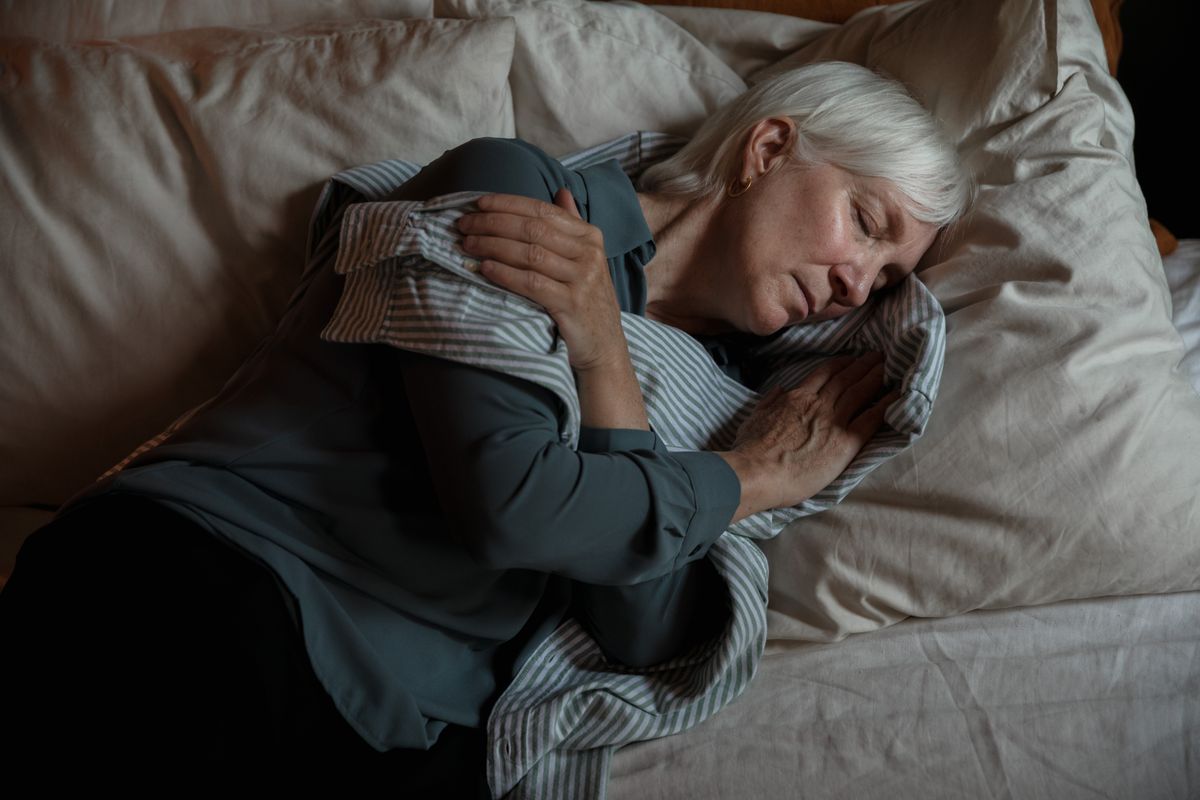
You fall asleep without much trouble. Then, almost like clockwork, your eyes open at 3 a.m. — and no matter how tired you feel, sleep won't come back. If this sounds familiar, you're far from alone: night waking is one of the most common sleep complaints among adults over 55. The good news? It's rarely a mystery, and it's very often improvable with a few gentle changes.
Why 3 A.M., Specifically?
It's not your imagination — there's a biological reason the wake-up tends to happen in the small hours. As we age, sleep architecture changes: we spend less time in deep sleep and more time in lighter stages, which makes us easier to wake. At the same time, the body's natural cortisol rise (which prepares you for morning) starts earlier than it did in your forties. Add a bladder that's a little less patient than it used to be, and you have the classic 3 a.m. combination.
The First Rule: Don't Watch the Clock
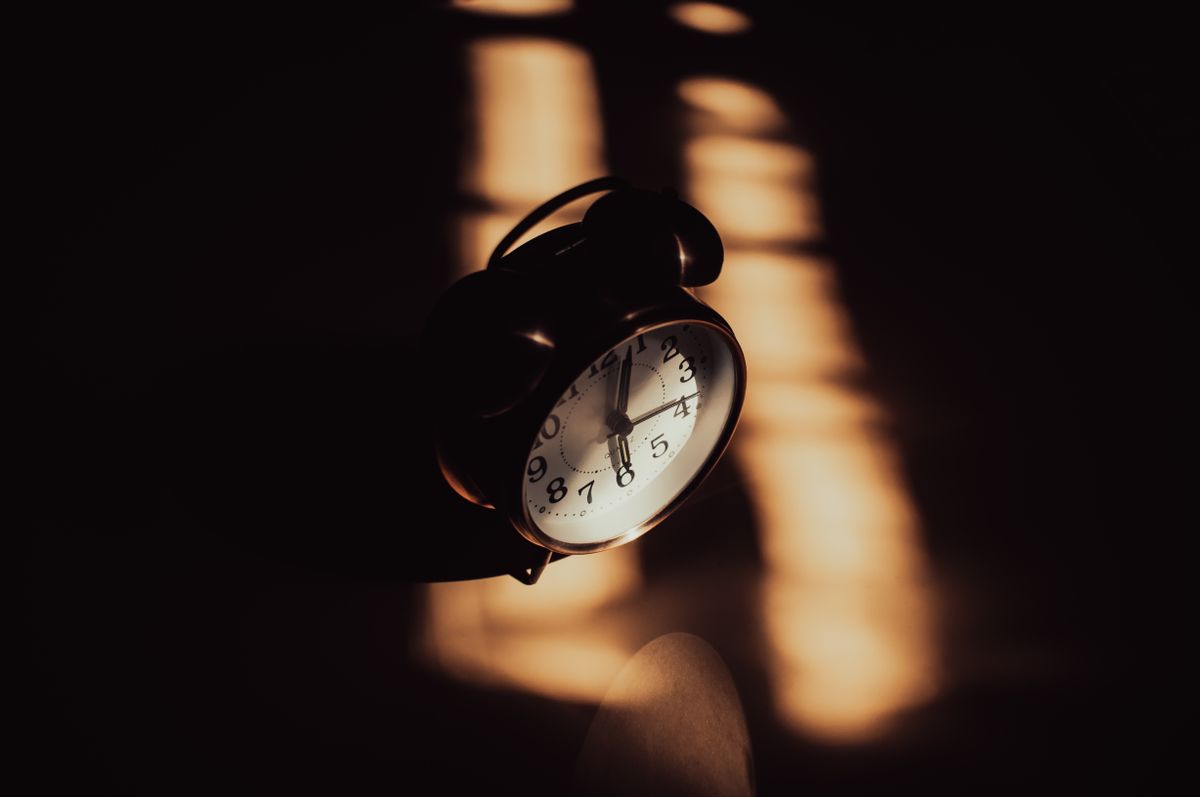
When you wake in the night, resist the urge to check the time. Clock-watching triggers mental arithmetic — "if I fall asleep now, I'll get four more hours" — and that low-level stress raises alertness, making it harder to drift off. Turn the clock away from the bed, leave your phone out of reach, and let the night be timeless.
If You're Awake More Than 20 Minutes, Get Up
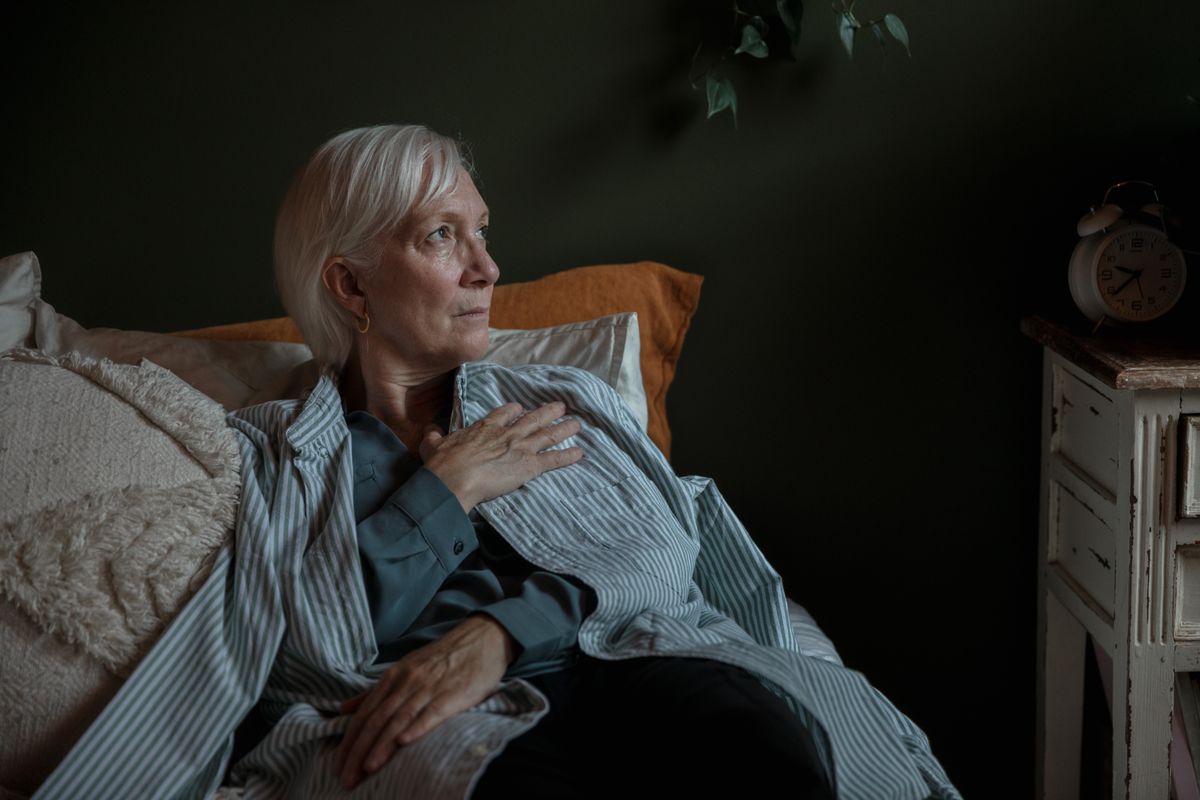
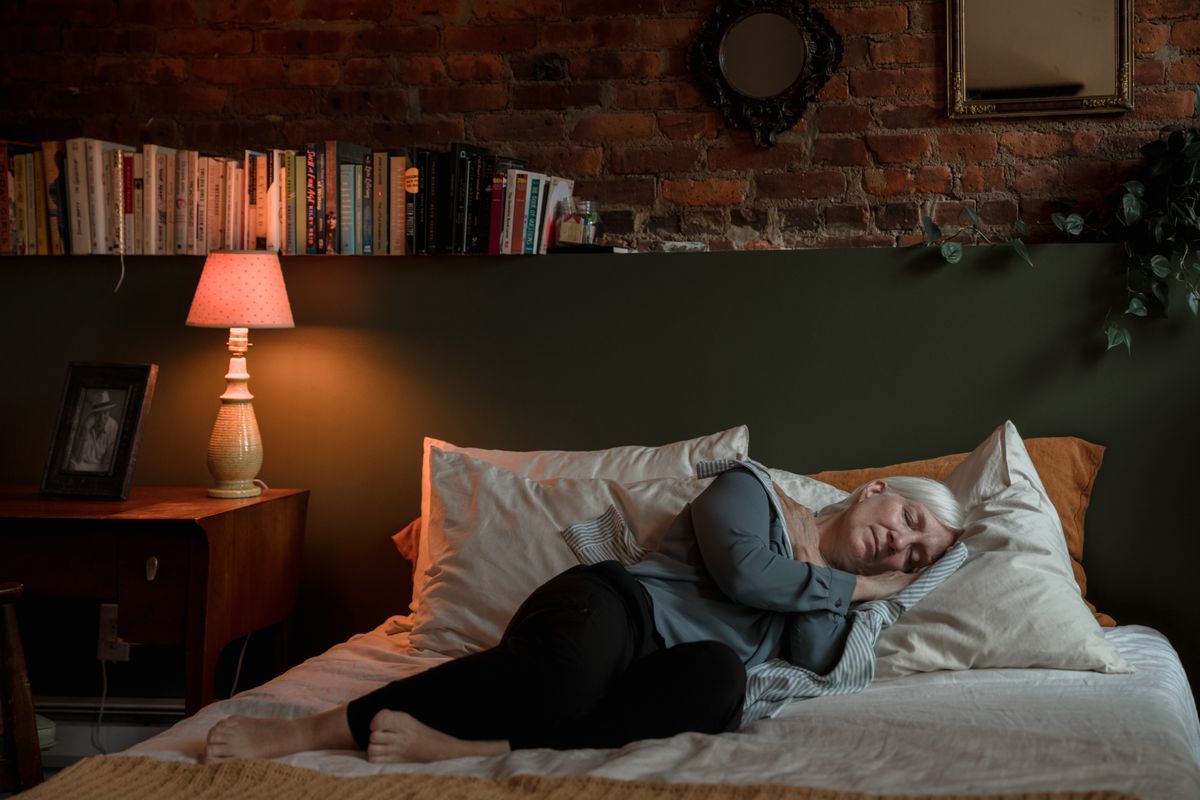
It feels counterintuitive, but lying in bed frustrated teaches your brain that bed is a place of wakefulness. Instead, get up, keep the lights low, and do something calm and boring — read a few pages of a familiar book, or sit quietly in a chair. Return to bed only when your eyes feel heavy. Over a few weeks, this simple habit retrains the association between bed and sleep.
Build a Wind-Down Hour That Works for Your Age
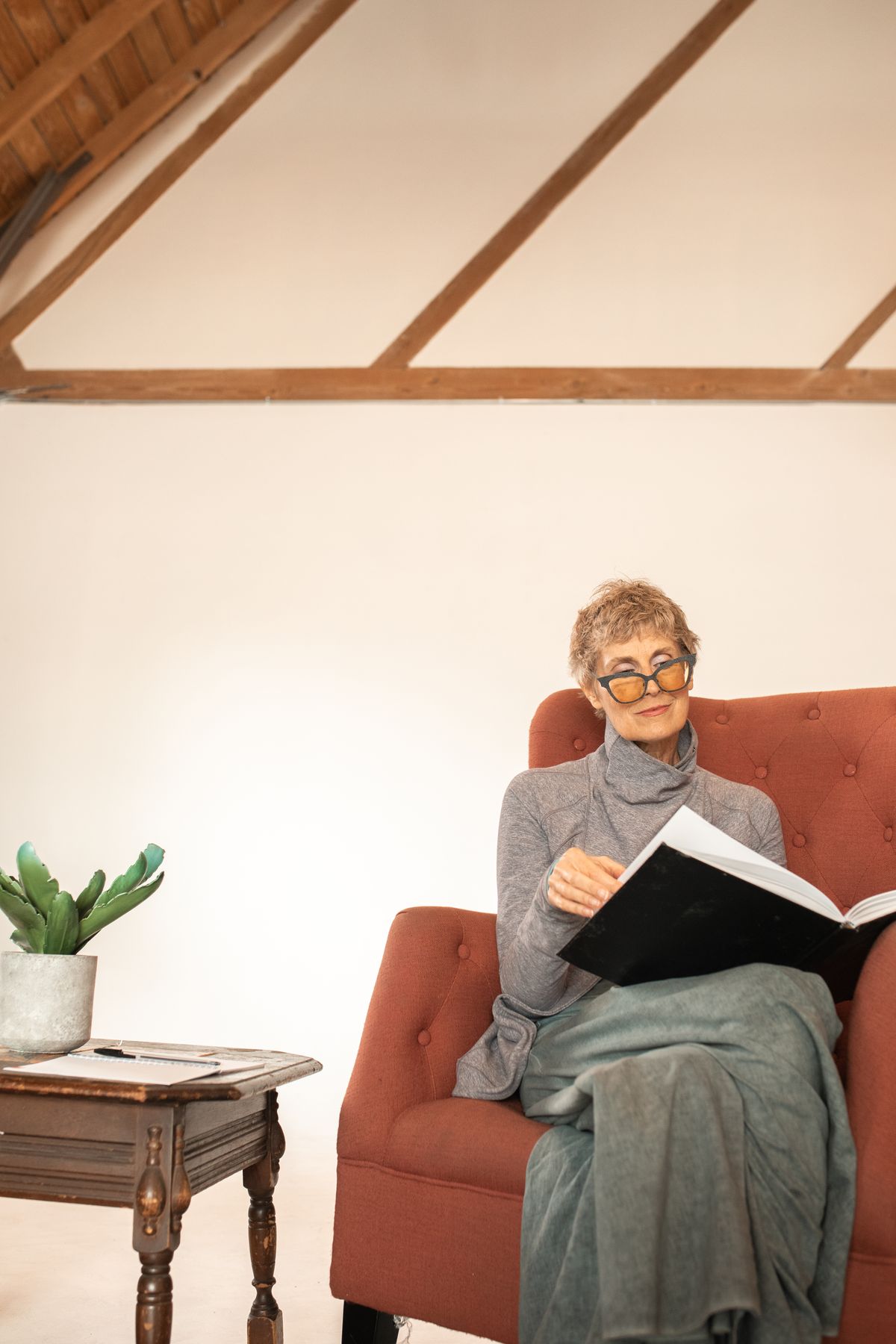
What you do in the last hour before bed matters more after 55 than it did before. A few evening habits that consistently help:
Dim the lights early. Bright overhead light in the evening delays melatonin. Switch to lamps after dinner.
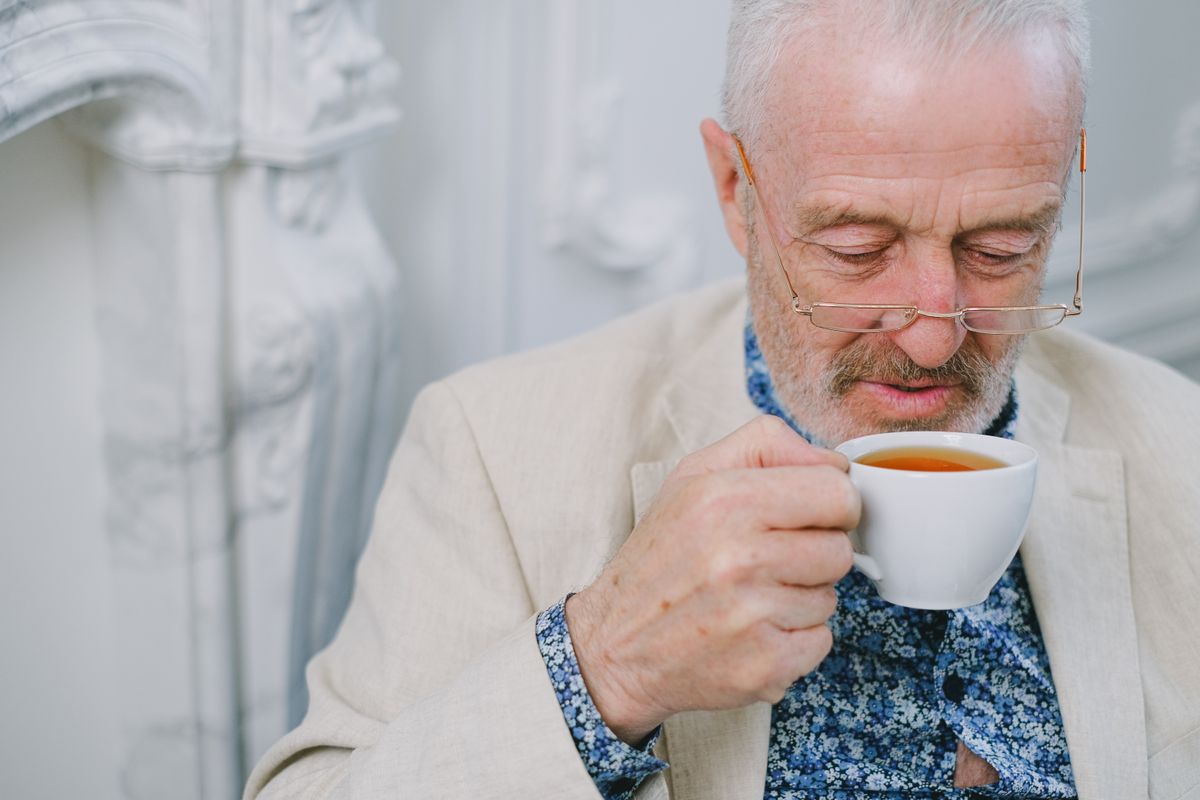
Swap the evening cuppa. Caffeine stays in the system longer as we age. A caffeine-free herbal tea — chamomile, lemon balm, or rooibos — gives you the ritual without the 3 a.m. bill. Just keep it small and finish it at least an hour before bed, so it doesn't become the reason you're up.
Keep the bedroom cool. Around 17–19°C is ideal. Your body needs to drop its core temperature to stay in deep sleep, and an overheated room is a very common — and very fixable — cause of night waking.
The Daytime Habits That Protect Your Nights
Deep sleep is earned during the day. Two things make an outsized difference after 55:
Morning light. Ten to fifteen minutes of daylight soon after waking anchors your body clock, which helps consolidate sleep at night. A cup of tea by a bright window counts; a short walk counts double.
Gentle daily movement. Research consistently links light strength and mobility work with deeper, less fragmented sleep in older adults. It doesn't need to be a gym session — ten minutes of gentle resistance work at home, ideally earlier in the day rather than right before bed, is enough to make a measurable difference. If you'd like an easy starting point, our Gentle Resistance Bands were designed exactly for this — soft fabric, three light resistance levels, and simple enough to use beside your bed or armchair.
When to Speak to Your Doctor
Occasional night waking is normal. But if you snore loudly, gasp during sleep, feel exhausted every day despite time in bed, or night waking is paired with pain or frequent urination, it's worth a conversation with your GP — conditions like sleep apnoea are common after 55 and very treatable.
The Bottom Line
Waking at 3 a.m. isn't something you simply have to accept after 55. Keep the clock out of sight, get up if sleep won't return, protect your wind-down hour, and give your body daylight and gentle movement during the day. Small habits, repeated nightly, are what turn fragmented sleep back into restful nights.
Explore more gentle sleep support in our Sleep & Wellness collection — and if it's your first order, code WELCOME10 saves you 10%.
This article is for general information only and is not medical advice. If you have ongoing sleep difficulties, please speak with your doctor.
0 comentarios