
The house is quiet, the room is dark, and then — wide awake. You glance at the clock: 3:14. Your mind, so heavy just an hour ago, suddenly feels switched on. If this happens to you, please know you are in very good company.
Waking in the small hours becomes more common as we move past 55. Our sleep naturally grows a little lighter with age, and we spend more time in the shallower stages of rest — the stages where a cool draught, a full bladder, or a passing thought is enough to bring us to the surface. The reassuring part is that a 3am waking is rarely a problem in itself. What matters most is how gently we guide ourselves back to sleep. Here are six kind, simple ways to do exactly that.
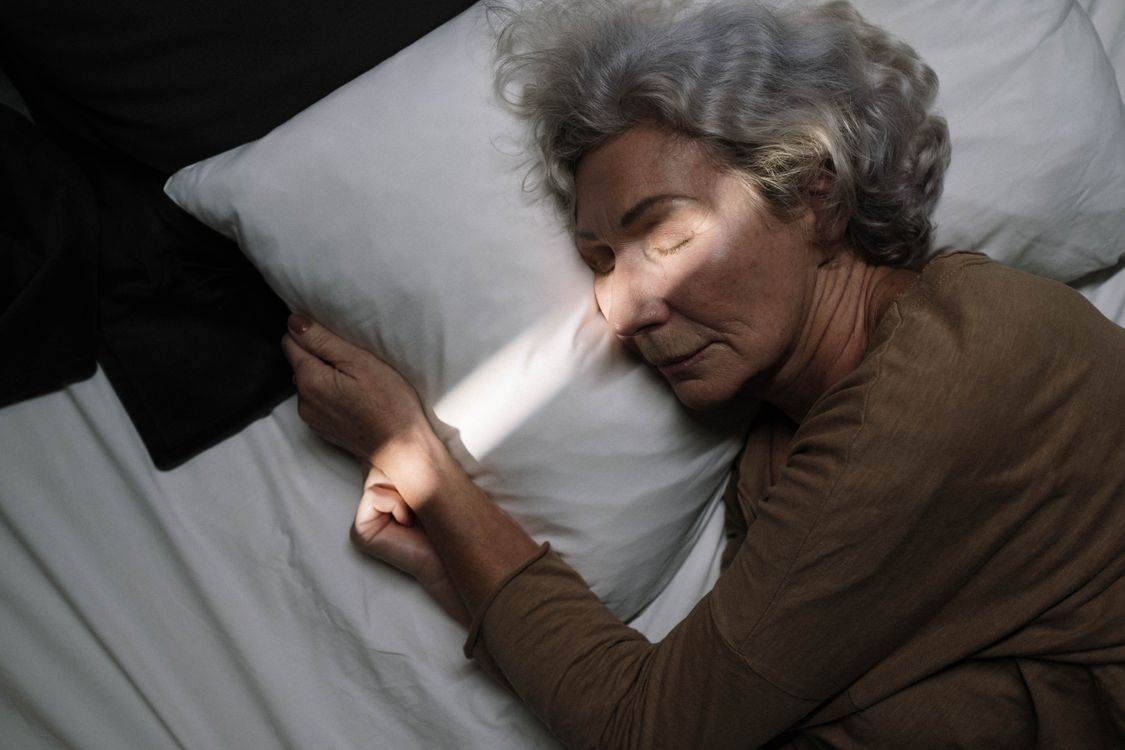
1. Resist the urge to check the clock
It is the most natural thing in the world to reach for the clock — but that little glance often does more harm than good. Seeing the time sets off a quiet bit of mental arithmetic ("only three hours until I need to be up") that nudges the mind wider awake. Try turning the clock away from the bed, or covering its glow. Let the exact time stay a gentle mystery until morning, and give your body permission to rest without counting.
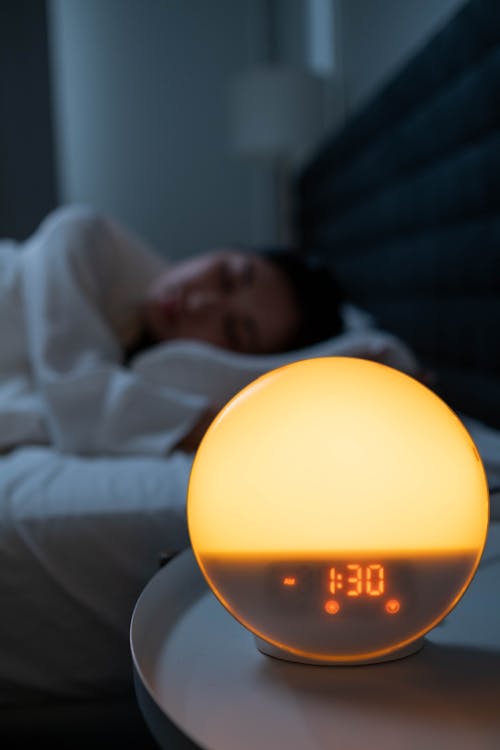
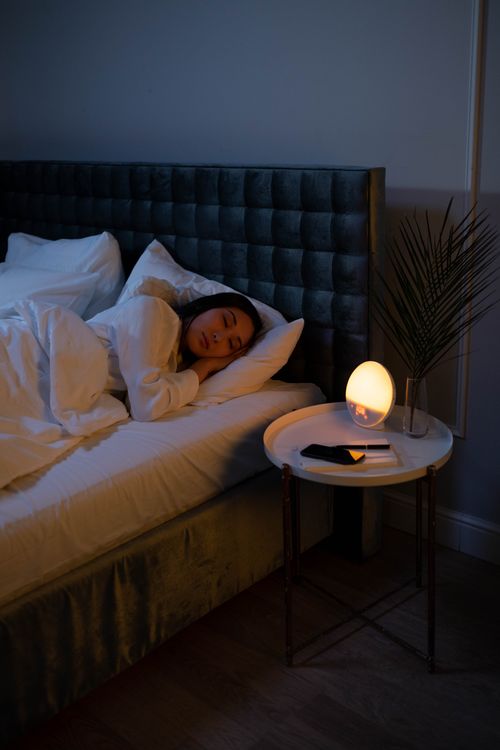
2. Keep your bedroom cool, dark and calm
A slightly cool room is one of the simplest helpers for deep, unbroken rest. A warm body settling into cool sheets drifts off far more easily than one that is too hot. Heavy curtains or a soft eye mask keep early light and streetlamps at bay, and turning down any bright standby lights helps the room feel like a proper sanctuary. Small comforts — a breathable blanket, a supportive pillow — all add up to a space that invites you back to sleep.
3. Wind down earlier with a warm, caffeine-free drink
What we do in the evening quietly shapes the night. A warm, caffeine-free drink — chamomile or another soothing herbal infusion — can become a lovely signal to your body that the day is winding down. It helps to keep tea and coffee to the earlier part of the day, and to enjoy larger drinks well before bedtime, so you are less likely to wake needing the bathroom. The ritual itself, cupping something warm in your hands, is half the comfort.

4. Ease your body with slow, gentle breathing
When you find yourself awake, a few minutes of slow breathing can quiet a busy mind beautifully. Try breathing in gently for a count of four, then letting the breath out slowly for a count of six. As you exhale, invite your shoulders, jaw and hands to soften. Some people like to travel slowly up the body — relaxing the toes, then the legs, then the tummy — releasing a little tension with each breath. There is nothing to achieve here; simply resting is enough.

5. If sleep won't come, get up for a few quiet minutes
If you have been lying awake for what feels like twenty minutes or more, tossing and turning rarely helps. Rather than growing frustrated, it can be kinder to slip out of bed for a little while. Keep the lights low, stay warm, and do something gentle and undemanding — a few pages of a comforting book, or simply sitting quietly. When you feel drowsy again, return to bed. Bright screens tend to wake us further, so they are best left until morning.
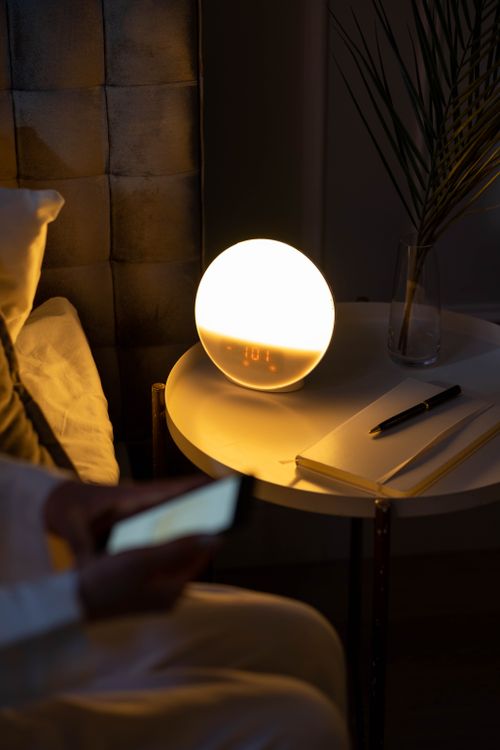
6. Anchor your mornings with light and a steady wake-up time
It may seem surprising, but good nights often begin with steady mornings. Waking at roughly the same time each day, opening the curtains to a little daylight, and moving gently once you are up all help to strengthen your body's natural rhythm. Over time, this steadiness tends to settle the nights too. Be patient and kind with yourself — a rhythm rebuilt gently lasts far longer than one forced overnight.
An occasional 3am waking is simply part of how rest changes as we grow older, and nothing to worry about. If broken sleep becomes very frequent and leaves you feeling exhausted through the day, a quiet word with your GP can rule out simple, treatable causes and bring real peace of mind.
For gentle comforts designed to make winding down that little bit easier, you are always welcome to explore our Sleep & Wellness collection. Here's to softer nights and calmer mornings.
0 comentarios