How to Sleep Better Tonight:
8 Science-Backed Tips
Everything you need to finally get the deep, restorative sleep your body and mind deserve — starting tonight.
You spend a third of your life sleeping — yet most people have never been taught how to sleep well. The result? Millions of exhausted people running on poor-quality rest, wondering why they feel foggy, irritable and burnt out. This guide changes that.

Fix Your Sleep Schedule First
Your body runs on a circadian rhythm — an internal 24-hour clock that regulates when you feel sleepy and when you feel awake. When you go to bed and wake up at inconsistent times, this clock gets disrupted and your sleep quality plummets.
The single most powerful thing you can do for your sleep is go to bed and wake up at the same time every day — including weekends. Within 2–3 weeks, your body will naturally start feeling tired at bedtime and alert at wake time, without an alarm.
Studies show that sleep consistency matters more than sleep duration. Someone who sleeps 7 consistent hours performs better cognitively than someone who sleeps 9 irregular hours.
- Pick a wake time and stick to it — even on weekends
- Work backwards 7–9 hours to find your ideal bedtime
- If you can't fall asleep within 20 minutes, get up and do something calm until you feel sleepy
- Avoid "catching up" on sleep — it disrupts your rhythm more than it helps
Cool Your Bedroom Down
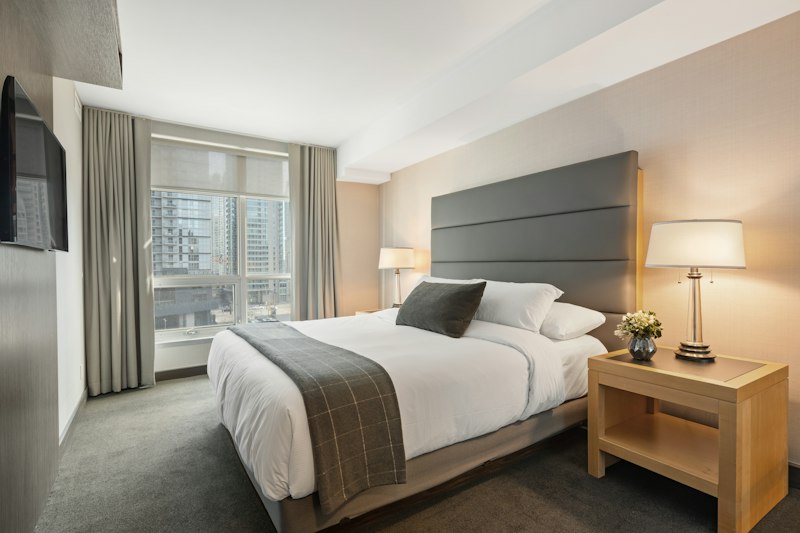
Your core body temperature naturally drops as you fall asleep — and a cool environment accelerates this process. Research shows that the ideal sleep temperature is between 16–19°C (60–67°F). Most people sleep in rooms that are too warm, which suppresses deep sleep stages.
- Set your thermostat between 16–19°C before bed
- Use breathable cotton or bamboo bedding
- Keep a fan running — it also provides gentle white noise
- Take a warm shower 1–2 hours before bed — the subsequent cooling effect helps trigger sleep onset
Even if you can't control the room temperature, keeping your feet outside the covers helps your body cool down faster and fall asleep sooner.
Block Out Noise with White Noise
You don't need complete silence to sleep well — in fact, sudden changes in sound are what wake you up, not sound itself. White noise works by creating a consistent audio backdrop that masks disruptive sounds like traffic, neighbours, or a snoring partner.
Studies show white noise can reduce the time it takes to fall asleep by up to 38% and significantly improve sleep continuity throughout the night.
Olyvita White Noise Machine — Deep Sleep & Relaxation
Multiple sound modes including white noise, fan, rain and nature sounds. Adjustable volume, compact and portable. Perfect for light sleepers, shift workers, parents and travelers.
Shop White Noise Machine →Try Micro-Current Sleep Technology
One of the most exciting developments in sleep science is the use of gentle micro-current stimulation to calm the nervous system. When your mind races at night — replaying the day, worrying about tomorrow — your sympathetic nervous system is still active. Micro-current technology gently nudges it back into parasympathetic mode: rest, digest, recover.
Unlike sleep medications, micro-current devices are non-addictive, drug-free and have no side effects. Many users report falling asleep significantly faster from the very first night.
⚠️ Important: If you rely on sleeping pills or melatonin every night, it may be worth exploring drug-free alternatives first. Long-term use of sleep medications can actually reduce natural sleep quality over time.
CalmSleep™ by Olyvita — Natural Deep Sleep Aid & Stress Relief
Gentle micro-current technology that calms your nervous system and guides you into deep, natural sleep — without pills, without side effects. Most users feel the difference from night one. 30-day money-back guarantee.
Try CalmSleep™ Risk-Free →Cut Screens 60 Minutes Before Bed
The blue light emitted by phones, tablets and laptops suppresses melatonin production — your brain's natural sleep hormone. Scrolling through your phone at 11pm is essentially telling your brain it's noon. The result? You can't fall asleep, and even when you do, your deep sleep stages are reduced.

- Set a "digital sunset" alarm 60–90 minutes before bed
- Enable Night Mode or warm light filters on all devices from 8pm
- Replace phone time with reading, journaling or light stretching
- Keep your phone charging outside the bedroom if possible
- If you must use screens, blue-light blocking glasses help significantly
Create a Wind-Down Ritual
Your brain doesn't switch from "full speed" to "deep sleep" instantly. It needs a transition period — a signal that the day is over and it's time to rest. A consistent wind-down ritual of 20–30 minutes before bed is one of the most effective sleep improvements you can make.

- 🛁 A warm bath or shower (the cooling effect triggers sleepiness)
- 📖 Reading a physical book (not a screen)
- 🧘 Light stretching or yoga — 10 minutes is enough
- ✍️ Writing down tomorrow's tasks (clears mental loops)
- 🍵 Herbal tea — chamomile, valerian or passionflower
- 😴 Use your CalmSleep™ device as the final step before lights out
The ritual matters more than any individual activity within it. The act of doing the same sequence every night becomes a powerful sleep trigger for your brain.
Watch What You Eat & Drink
What you consume in the hours before bed has a profound effect on your sleep quality. Most people know caffeine is a problem — but alcohol, large meals and even certain healthy foods can disrupt your sleep architecture.
- ☕ Caffeine: Has a half-life of 5–7 hours. Cut off by 2pm if you struggle to sleep
- 🍷 Alcohol: Helps you fall asleep but destroys deep sleep — avoid within 3 hours of bed
- 🍔 Heavy meals: Eating large amounts within 2–3 hours of bedtime disrupts sleep onset
- 🥛 Magnesium-rich foods: Almonds, pumpkin seeds, dark chocolate — naturally support sleep
- 🍌 Tryptophan foods: Bananas, turkey, warm milk — boost serotonin and melatonin
⚠️ Hydration balance: Stay hydrated during the day but reduce fluids 1–2 hours before bed to avoid disruptive nighttime waking.
Get Morning Sunlight Every Day
This is the most underrated sleep tip. Morning light exposure is the single most powerful way to anchor your circadian rhythm. When bright light hits your retinas within the first hour of waking, it triggers a cascade of hormones that set your body clock — and crucially, tells it exactly when to release melatonin that evening.
Even 10–15 minutes outside in the morning (no sunglasses) can dramatically improve how quickly you fall asleep that night.

- Step outside within 30–60 minutes of waking
- 10–15 minutes of outdoor light is sufficient on sunny days
- On cloudy days, spend 20–30 minutes outside — it still works
- Combine with a walk, stretching or your morning coffee outdoors
- If you wake before sunrise, use a 10,000 lux light therapy lamp indoors
Morning light exposure increases adenosine clearance, elevates cortisol at the right time (morning, not night), and sets your melatonin release for exactly 12–16 hours later — meaning better sleep that evening.
Frequently Asked Questions About Sleep
🌙 The Bottom Line
Sleep is not a passive activity — it's an active, essential biological process that your body needs to repair, consolidate memories, regulate hormones and restore energy. The 8 strategies above work together as a system: better sleep environment + better habits + the right tools = genuinely transformative rest.
At Olyvita, everything we design starts with one question: does this genuinely help someone feel better? Our sleep collection — from the CalmSleep™ device to the White Noise Machine — was built to answer yes.
0 comments