
Somewhere around 40, and accelerating fast after 55, the body starts losing muscle at a rate of roughly 1 to 2% per year. Doctors call it sarcopenia. You call it: stairs feel harder, jars are tougher to open, and getting up off the floor takes a little planning. The good news? This isn't something you have to simply accept. And you don't need a gym membership or heavy dumbbells to fight back — you need something gentler, safer, and honestly more effective for this stage of life: resistance bands.
If you've been searching for strength training after 55 that won't strain your joints, this guide will show you exactly why resistance bands work, and how to start using them safely at home, today.
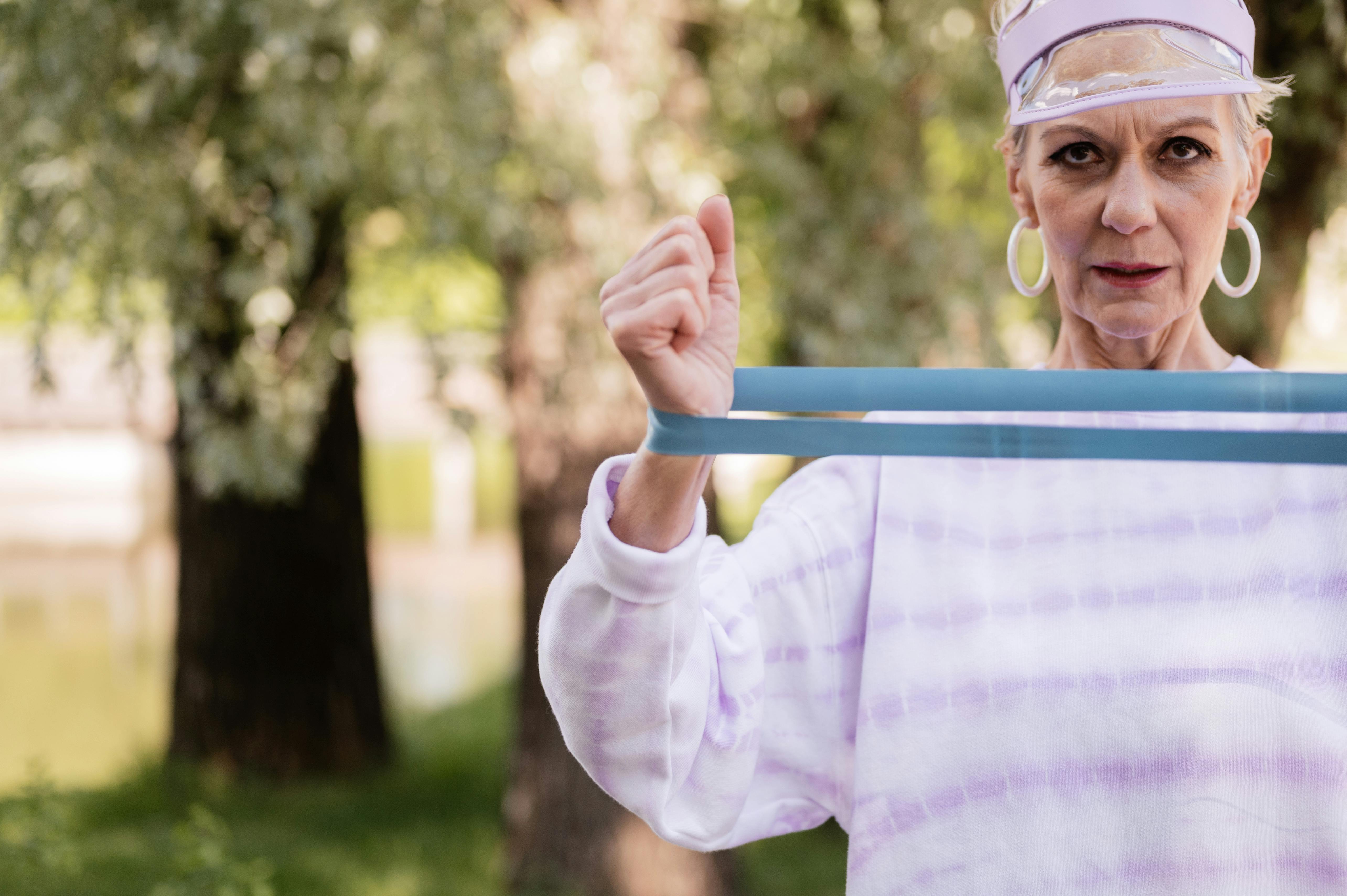
Why Resistance Bands Are Different From Weights
Free weights rely on gravity — the resistance only exists when you're moving with it, which often means one intense direction of strain on a joint. Bands work by constant tension throughout the entire movement, in every direction, which is exactly why physical therapists reach for them so often when working with older adults recovering from injury or managing arthritis.
- Joint-friendly: No jarring impact, no sudden joint-loading like a dropped dumbbell.
- Adjustable difficulty: Simply shorten your grip or use a heavier band as you get stronger.
- Full-body versatility: One set of bands can train legs, hips, arms, back, and core.
- Safe to use seated, standing, or lying down — meaning almost anyone can start, regardless of current mobility.

The Real Benefits: More Than Just Muscle
When people search for mobility exercises for adults 55+, they're usually not chasing bigger biceps. They want to feel steady, capable, and independent. Here's what consistent band training actually delivers:
1. Better Balance, Fewer Falls
Strengthening the hips, ankles, and core with band work directly improves the stability that keeps you upright on uneven ground or when reaching for something on a high shelf. Falls are one of the biggest threats to independence after 55 — and strong stabilizing muscles are your best defense.
2. Protects the Joints You Already Have
Weak muscles around a joint mean that joint absorbs more impact on its own. Building strength in the muscles surrounding your knees and hips takes pressure off the joint itself, which is why band training is so often recommended alongside joint pain relief routines.
3. Keeps You Independent
Carrying groceries, standing from a low chair, climbing stairs without holding the rail — these daily tasks all draw on the same functional strength that resistance training rebuilds.

How to Start Safely (Even If You've Never Exercised With Bands Before)
- Start light. A lighter band with perfect form beats a heavy band with a rushed, jerky motion.
- Move slowly. Two seconds out, two seconds back. Bands reward control, not speed.
- Sit or stand — whatever feels stable. A chair-based session is just as effective as a standing one.
- Aim for 10–15 minutes, 3 times a week to start. Consistency beats intensity every time.
- Stop if you feel sharp pain. Mild muscle fatigue is normal; joint pain is not.
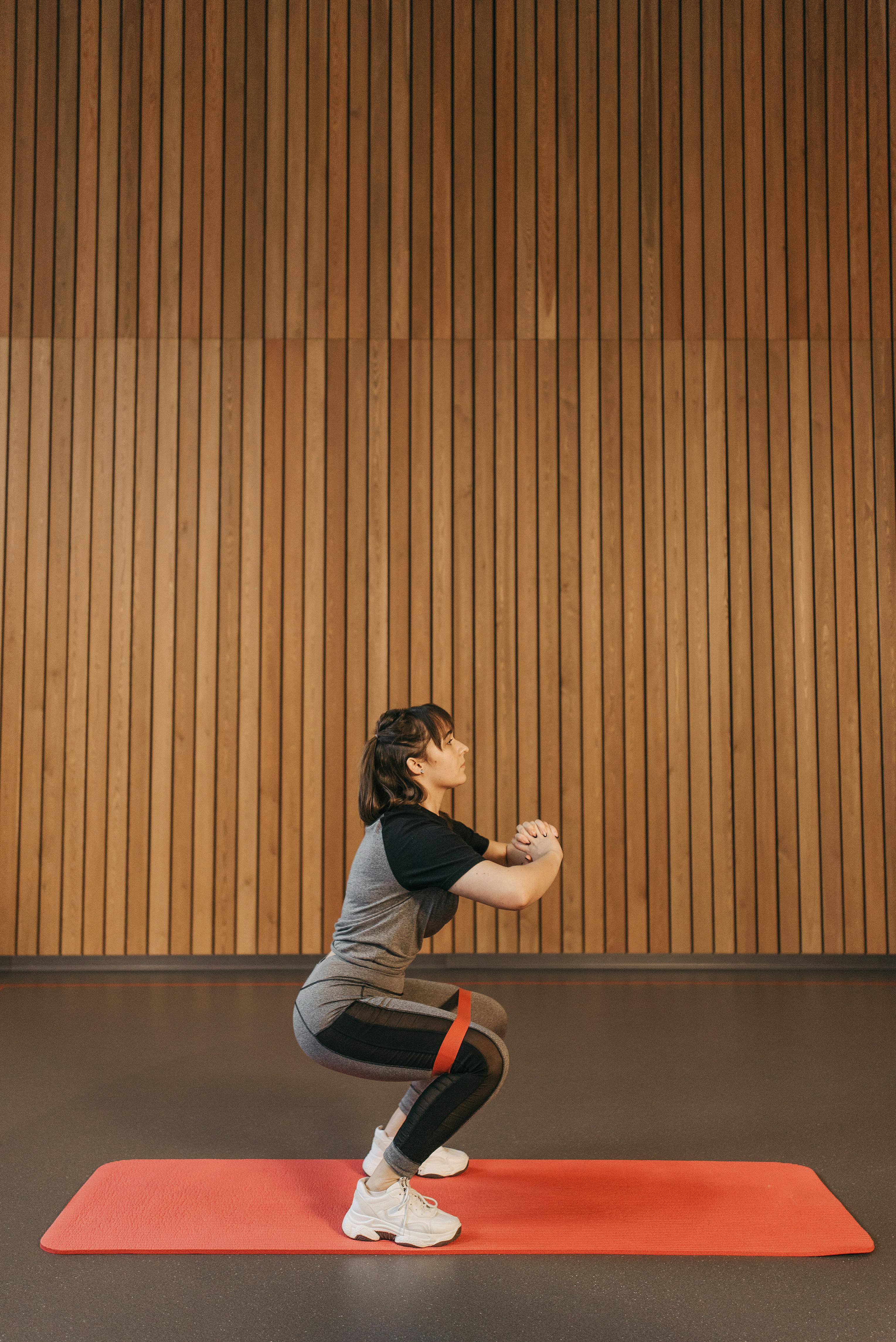
Three Simple Moves to Try This Week
Seated leg press: Loop the band around one foot, hold the ends, and press your leg forward against the resistance. Great for rebuilding quad and hip strength while seated.
Standing hip abduction: Loop the band around both ankles, stand tall holding onto a chair for balance, and step sideways against the tension. Excellent for the stabilizing muscles that prevent falls.
Seated row: Loop the band around a sturdy object at chest height, sit tall, and pull the band toward your ribs, squeezing your shoulder blades together. Helps counter the forward-hunched posture that develops with age.
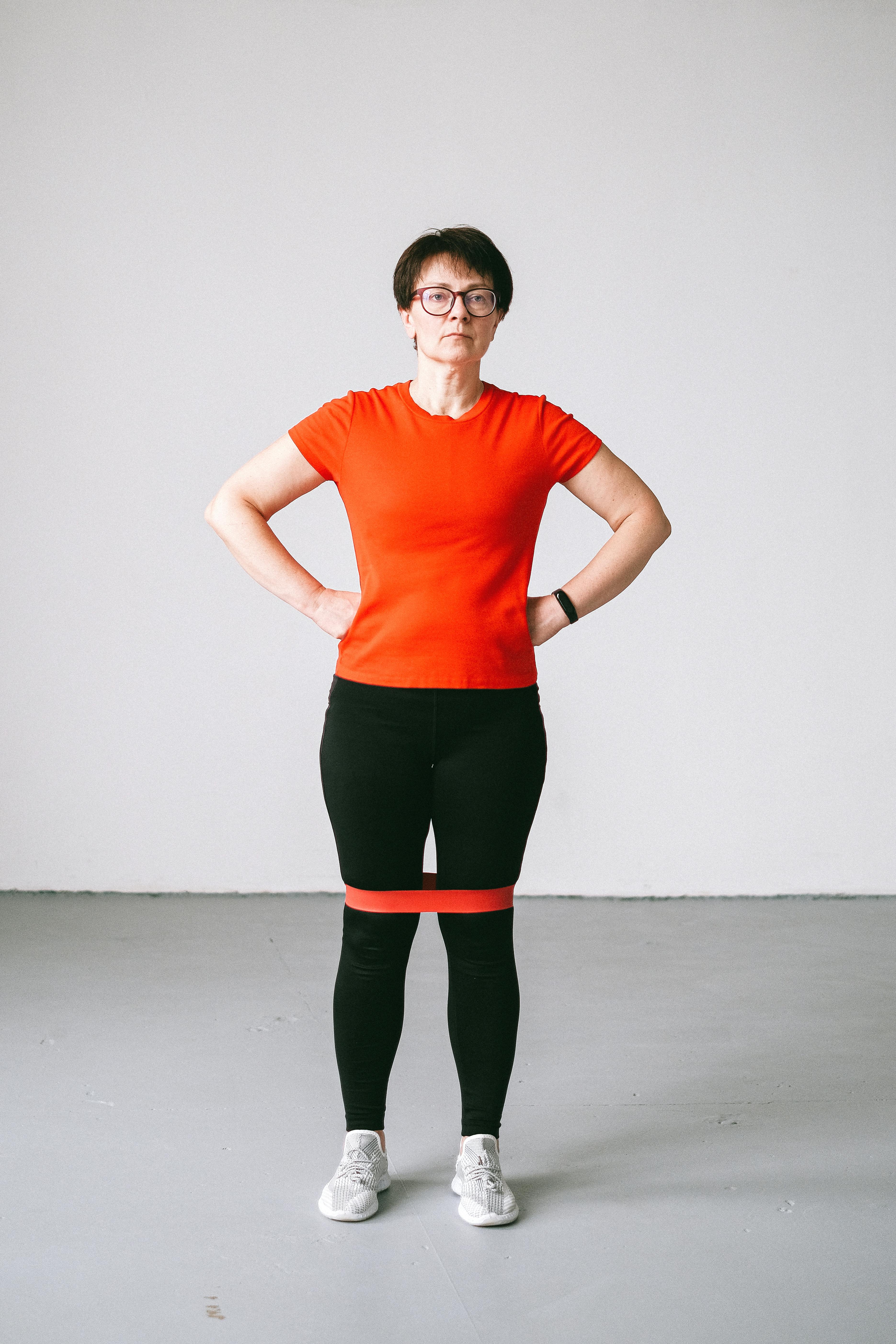
Choosing the Right Band
Not all bands are created equal. Thin, generic bands snap easily and offer inconsistent resistance. Look for bands that are:
- Made from durable, tear-resistant fabric or latex
- Available in multiple resistance levels, so you can progress over time
- Long enough to use for both upper and lower body exercises
- Comfortable against the skin — no pinching or rolling
This is exactly why we designed the Olyvita Gentle Resistance Bands specifically for adults 55+: soft, non-slip fabric, five resistance levels, and long enough for leg, hip, and upper-body work — all in one set.
Ready to start rebuilding your strength, safely and at your own pace? Explore the Gentle Resistance Bands and use code WELCOME10 for 10% off your first order.
Your body isn't done getting stronger. It just needs the right tool, and a little consistency, to prove it.
0 comments