
You go to bed tired. You lie there. The room feels close and airless, the sheet sticks to your legs, and by 2 a.m. you've turned the pillow over four times looking for a cool patch. Come morning you feel like you've been awake all night — because, in a way, part of you has.
If summer nights leave you more wrecked than they used to, that isn't your imagination and it isn't a personal failing. The way your body handles heat genuinely changes after 55, and warm nights ask more of it than they did twenty years ago. The good news: most of what disturbs your sleep on a hot night is fixable, and the fixes are simple.
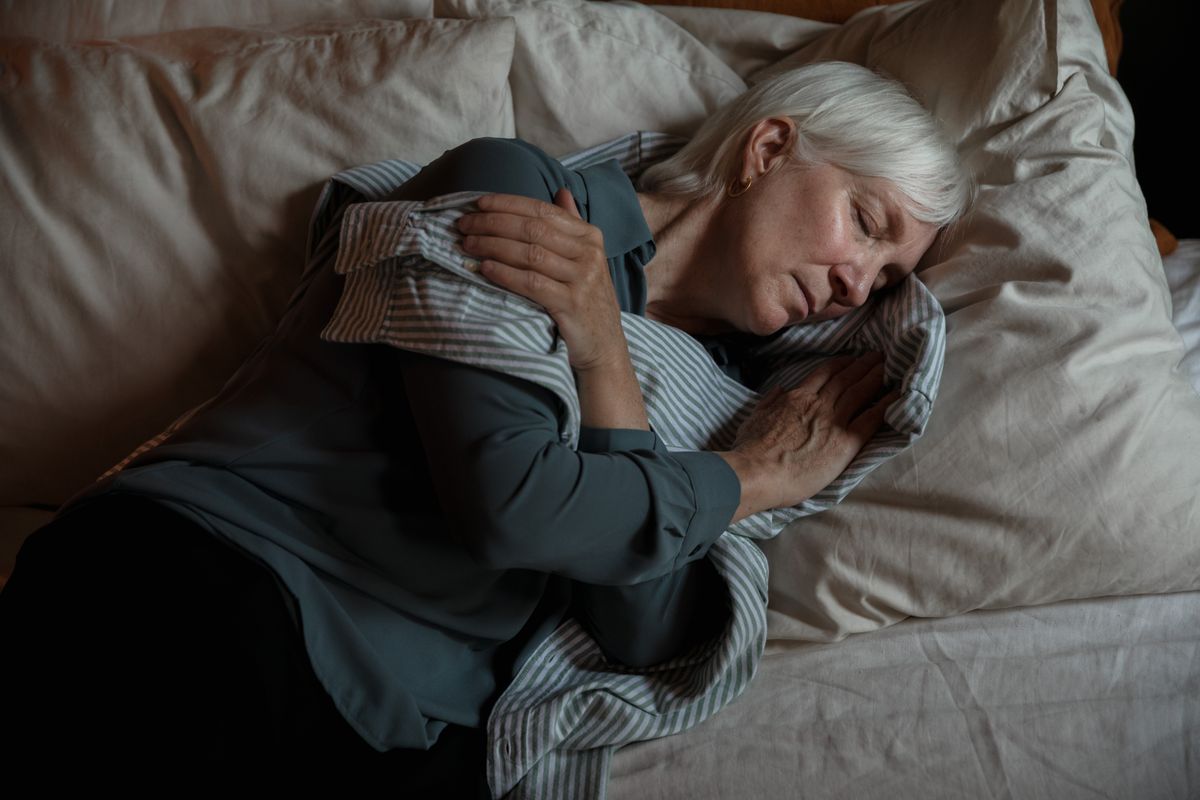
Why heat wrecks sleep — especially after 55
Falling asleep isn't only about feeling tired. Your body has to drop its core temperature by roughly one degree before deep sleep can settle in. It does that by sending blood to the surface of the skin — which is why your hands and feet feel warm just as you're drifting off — and releasing heat into the room around you.
When the bedroom is already warm, that heat has nowhere to go. Your body keeps trying, you stay in the shallow end of sleep, and you surface again and again through the night.
After 55, three things make this harder:
- Temperature control becomes less efficient. The body's thermostat responds more slowly, so it takes longer to shed heat and longer to recover once you've overheated.
- Sleep is naturally lighter. You spend less time in deep sleep than you did at 40, so a small discomfort that would once have gone unnoticed is now enough to wake you fully.
- Hormonal changes and some common medications can affect sweating and body temperature. Hot flushes during menopause and perimenopause are a well-known culprit, but they're not the only one.
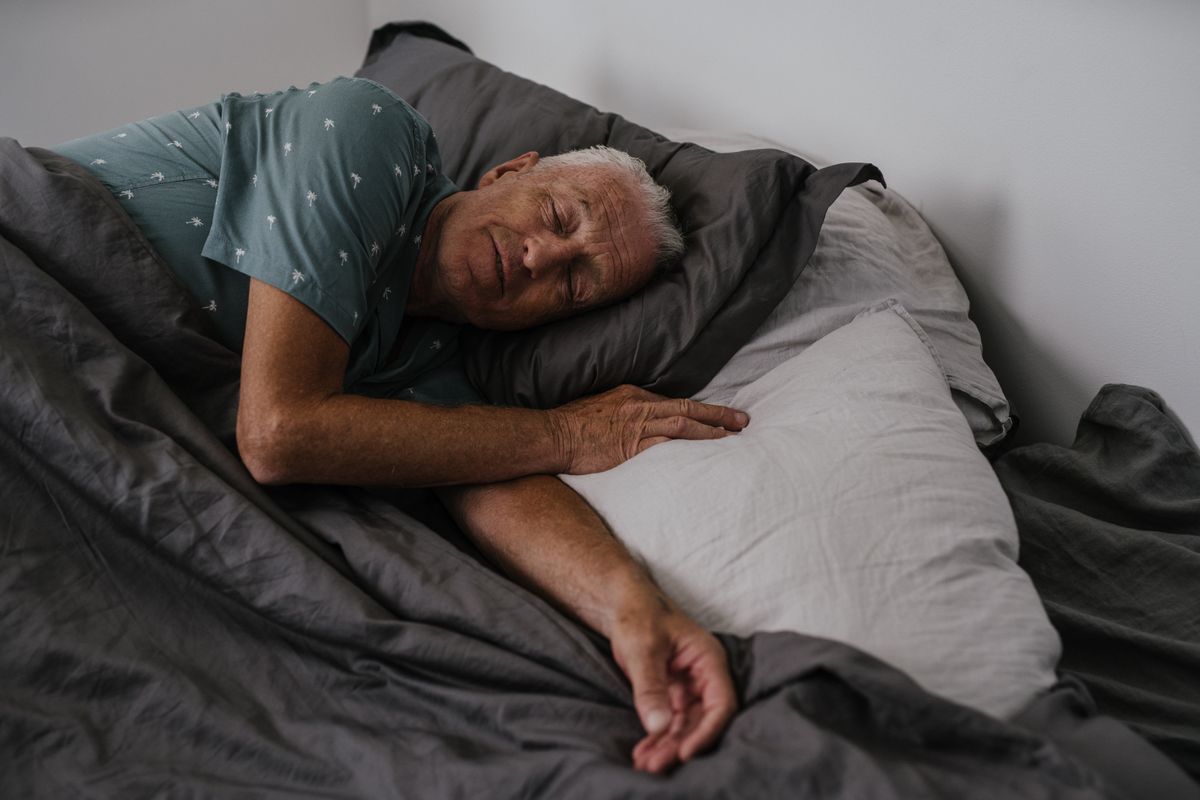
Add long British and Irish summer evenings — light in the sky until nearly 10 p.m. — and your body is getting a "stay awake" signal at exactly the hour it should be winding down. Heat and light together are a difficult combination.
1. Cool the room before you need it, not when you're already too hot
Most people open the window when they get into bed. By then the room has been absorbing heat all day and the walls themselves are warm.
Instead, work with the outside temperature: open up as soon as the evening air turns cooler than the room, usually around dusk. If you can open two windows on different sides of the home, do — a cross-breeze moves far more air than one window ever will.
A fan helps most when it's pushing warm air out rather than simply stirring it around. Point it out of the window for twenty minutes to flush the room, then turn it back towards the bed on a low setting.

2. Keep the daytime heat out in the first place
This is the step almost everyone skips, and it does more than any night-time trick.
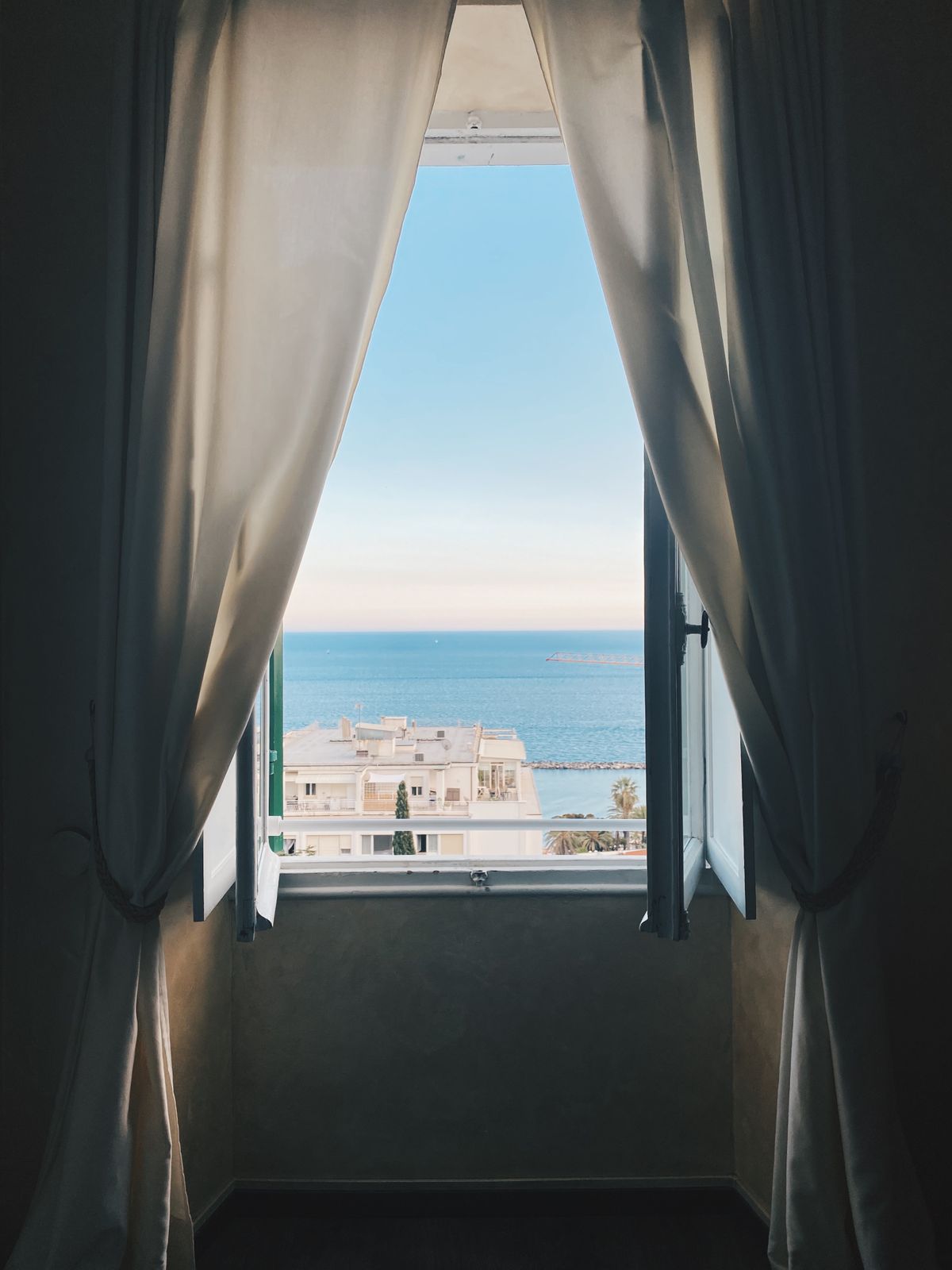
On a hot day, close the curtains or blinds in the bedroom by mid-morning and keep the window shut while the outside air is hotter than the inside air. A south- or west-facing bedroom can gain several degrees over an afternoon of direct sun — heat that you then have to sleep in all night.
Light-coloured or lined curtains reflect more than thin ones. If your bedroom bakes every summer, a blackout curtain earns its keep twice over: it keeps the room cooler by day and darker during those late, bright evenings.
3. Cool yourself, not just the room
You don't need a cold bedroom so much as a body that can release heat. A few things help quickly:
- A warm — not cold — shower about an hour before bed. It sounds backwards, but warm water brings blood to the skin, and the drop in temperature afterwards mimics exactly the signal your body uses to trigger sleep. An icy shower does the opposite: it makes you hold heat in.
- Cool your wrists, ankles and the back of your neck. Blood runs close to the surface there, so a cold flannel on those spots cools you faster than anything else.
- Uncover your feet. Sleeping with your feet out from under the covers is one of the most effective ways to shed heat — and one of the easiest.
4. Rethink your bedding and what you sleep in
Many people use the same duvet in July that they used in January. A summer-weight duvet, or just a cotton sheet, can transform a warm night.
Choose cotton or linen over polyester, for bedding and nightwear alike — natural fibres let moisture move away from the skin instead of trapping it. And if you share a bed and run at different temperatures, separate covers are far less romantic on paper and far better for both of you in practice.
Your pillow matters too. A dense pillow holds heat against your head and neck all night, and a pillow that leaves your neck badly angled makes you shift and wake more often. If yours has flattened or is always warm, our Ergonomic Comfort Pillow is designed to support the neck properly and keep the head better ventilated.
5. Mind what you drink, and when
Warm nights dehydrate you more than you'd think, and mild dehydration itself fragments sleep. Drink steadily across the day rather than downing a large glass at bedtime — that only guarantees a trip to the bathroom at 3 a.m.
Two things worth watching in hot weather:
- Alcohol. A cool glass of wine on a warm evening feels like the obvious answer. But alcohol raises body temperature as it's processed and fragments the second half of the night — the exact stretch that's already vulnerable.
- Caffeine. Its effects last longer as we age. An afternoon coffee that never troubled you at 45 may well be sitting in your system at 11 p.m. now.
6. Protect the wind-down, even when the evening is bright
Heat gets the blame for a lot of summer sleeplessness, but light and routine do their share. When it's still bright at half nine, the brain simply doesn't get the darkness cue it needs.
Keep the last hour before bed dim, quiet and predictable: lower the lights, sit down, and do the same few things in the same order every night. Consistency matters more than any single ritual — your body learns the pattern and starts preparing for sleep before your head touches the pillow.
Open windows also mean more street noise. If traffic, birdsong at 4 a.m. or a neighbour's late evening keeps pulling you back to the surface, steady background sound helps mask the sudden noises that wake you — our White Noise Machine was made for exactly that, and CalmSleep™ is designed to help you settle at the start of the night.
An evening walk does more than you'd expect
Gentle movement earlier in the day deepens sleep at night — but in hot weather, timing matters. A brisk walk at 7 p.m. leaves your body warm right when it's meant to be cooling down. Aim for the morning or the cooler part of the evening, and keep the last hour before bed calm.
If you'd like a fuller picture of how much walking actually helps, we covered it here: Walking After 55: How Much Is Really Enough.
When it's worth speaking to your doctor
Most warm-night waking settles once the room and the routine are sorted. But do have a word with your GP if you're regularly waking drenched in sweat, if night sweats came on suddenly, if you're waking gasping or with a pounding heart, or if poor sleep has been going on for months regardless of the weather. These are worth checking properly rather than working around.
The short version
- Your body must cool by about a degree to sleep deeply — a warm room prevents it.
- Close curtains by mid-morning; open windows once evening air turns cooler.
- A warm shower an hour before bed helps you cool down afterwards. Cold ones don't.
- Cotton or linen bedding, a lighter summer duvet, and uncovered feet make a real difference.
- Go easy on alcohol and afternoon caffeine in hot weather.
- Keep the last hour dim, quiet and the same every night.
Start with the curtains tomorrow morning. It's the smallest change on this list and usually the one people notice first.
Sleep better this summer. Explore our Sleep & Wellness collection — thoughtfully chosen comfort essentials for adults 55+, with free delivery across the UK and Ireland.
New here? Use code WELCOME10 for 10% off your first order.
This article is for general information and comfort guidance only. It isn't medical advice. If you have ongoing sleep difficulties or health concerns, please speak with your GP or a qualified healthcare professional.
0 comments