
That first step out of bed in the morning — the one that makes you wince before you've even reached the bathroom door — is one of the most common complaints we hear from readers over 55. If your heels or the soles of your feet feel sharp, stiff, or bruised for those first few minutes of the day, you're in very good company. The good news: it's rarely serious, and it responds beautifully to a little gentle daily care.
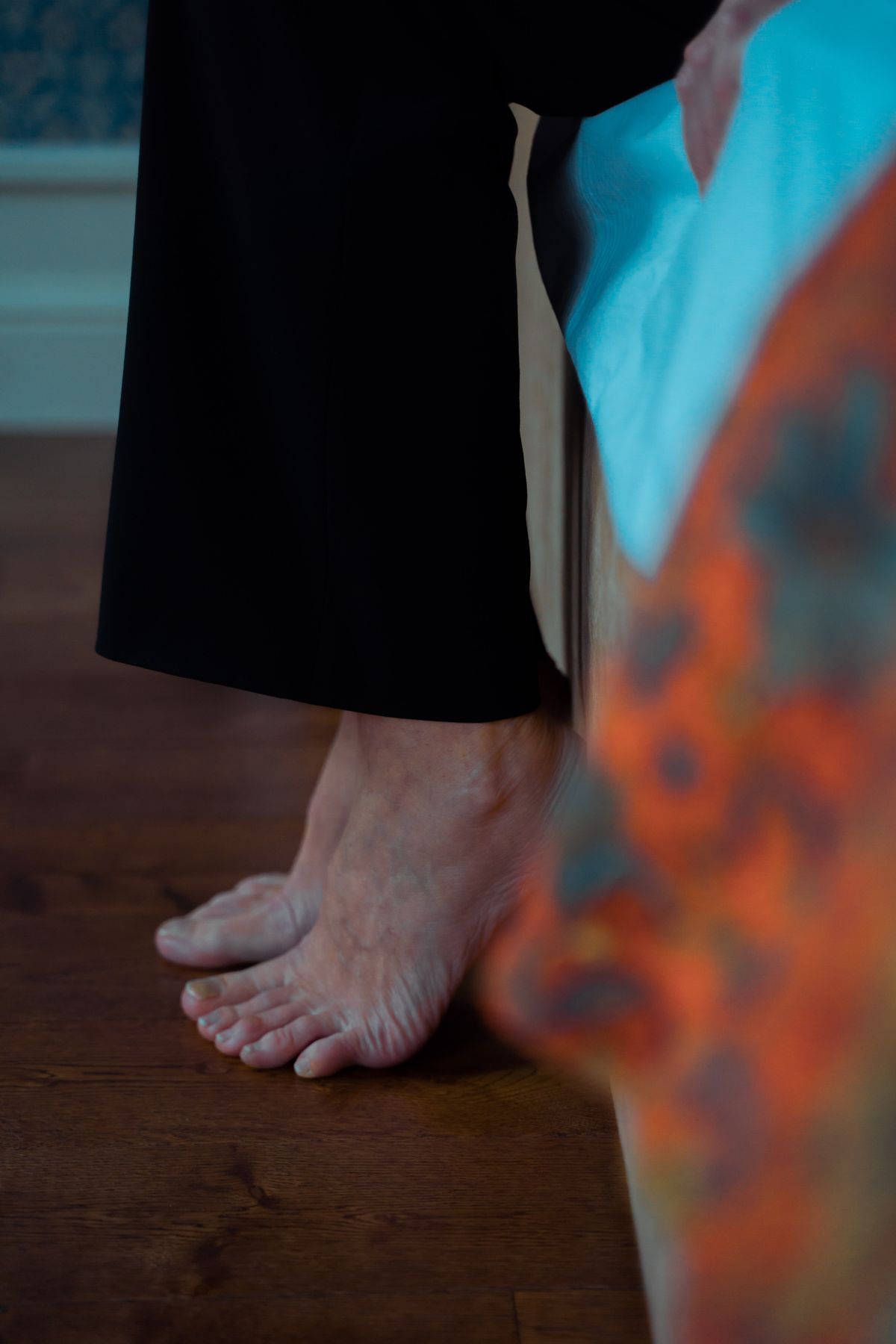
Why feet and heels hurt more after 55
Several ordinary, age-related changes tend to arrive together. The cushioning fat pad under your heel gradually thins, so there's a little less padding between your heel bone and the floor. The band of connective tissue that runs along your arch loses some of its stretch and tightens overnight — which is exactly why that first morning step feels the sharpest, before the tissue has had a chance to warm and lengthen. Calf muscles get tighter, circulation and recovery slow down a touch, and years of faithful standing and walking simply add up. None of this means something is wrong. It's the ordinary wear of a well-used pair of feet, and gentle habits make a real difference.
1. Ease into that first step
Instead of leaping straight onto cold, hard floors, wake your feet up while you're still sitting on the edge of the bed. Point and flex your toes about ten times, draw a few slow circles with each ankle in both directions, and gently pull your toes back toward you to lengthen the arch. Then lower your feet and stand slowly, letting your weight settle before you take that first stride. Those thirty seconds give the tissues a chance to warm up so the first step lands softly rather than sharply.

2. Stretch the calf and the arch
Tight calves pull on the heel, so keeping them supple takes strain off your feet. Try a simple wall calf stretch: hands on the wall, one leg stepped back with the heel pressed down, and hold for 20–30 seconds each side. For the arch, sit down, loop a towel around the ball of your foot, and draw it gently toward you until you feel an easy stretch along the sole. Warm the muscles first with a short walk or the ankle circles above — never force a cold stretch — and keep everything comfortable rather than intense.
3. Roll and massage the sole
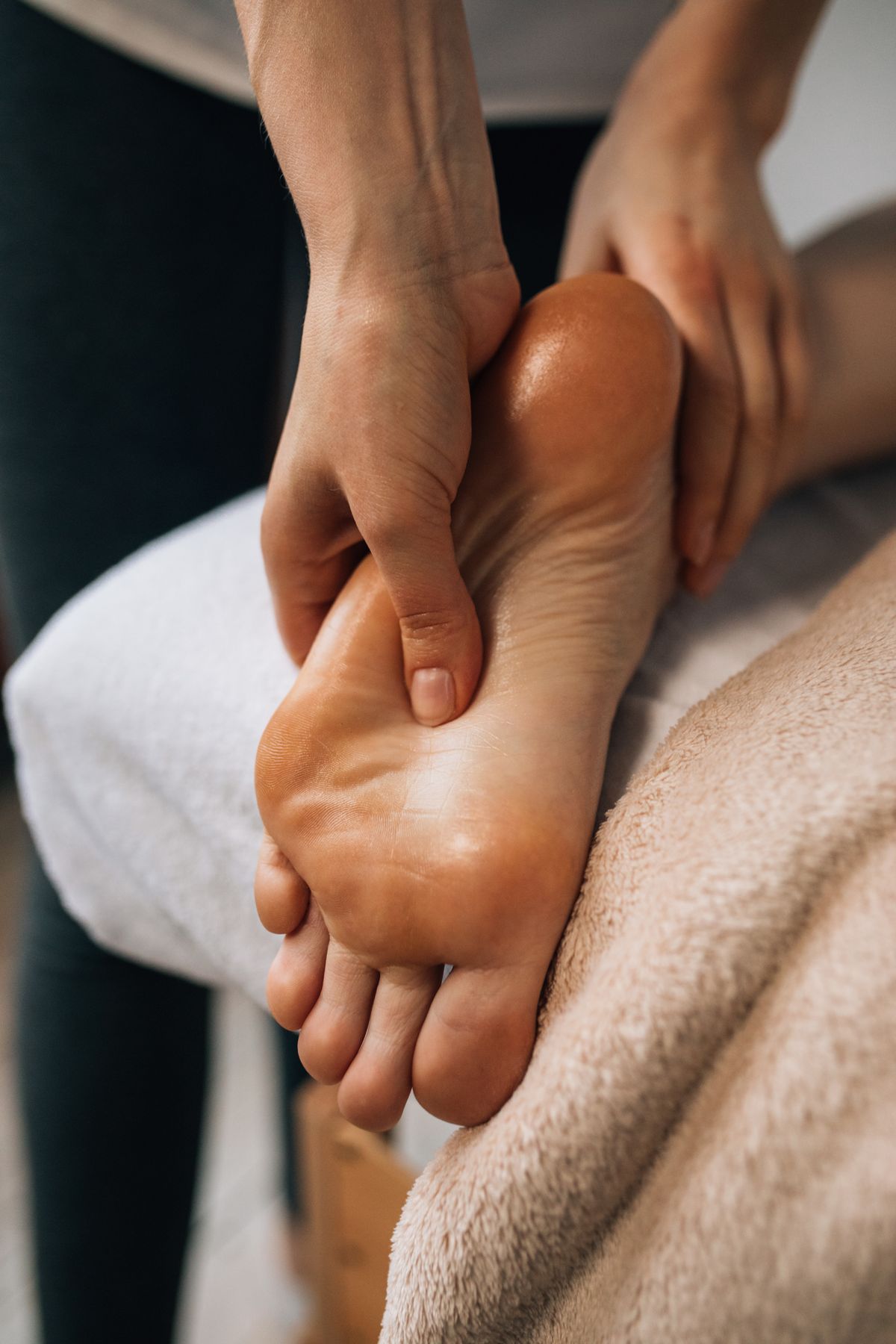
A minute or two of self-massage does wonders. Sitting in a chair, roll the arch of each foot over a small ball or a chilled water bottle, then knead the sole with your thumbs from heel to toes. Evenings are ideal — it relaxes the tissue after a day on your feet, and a cool bottle can be especially soothing if things feel a little inflamed.
4. Choose footwear that supports you
Your shoes do a lot of the quiet work here. Look for a cushioned sole and a bit of arch support, and replace shoes and slippers once they've worn flat. Padding around the house matters too: going barefoot on hard tile or wood all day gives your heels nothing to land on, so a supportive house shoe or a cushioned insole can make mornings noticeably kinder.

5. Keep moving — gently
It's tempting to rest sore feet completely, but gentle, regular movement keeps the tissues supple and the circulation flowing. Build up gradually rather than doing too much on any one day, warm your feet up first, and favour softer surfaces like grass or a track over concrete when you can. Little and often beats occasional and long.
6. Strengthen your feet and calves
Stronger feet cope better with everyday standing and walking. A few simple moves a couple of times a week help: heel raises (rising slowly onto your toes and lowering), toe raises, and scrunching a towel toward you with your toes. For a little added resistance without any strain, looping a light band around your foot lets you work the ankle and arch through their full range — our Gentle Resistance Bands make this easy to do at home, seated and at your own pace.
Heat, cold, and knowing when to rest
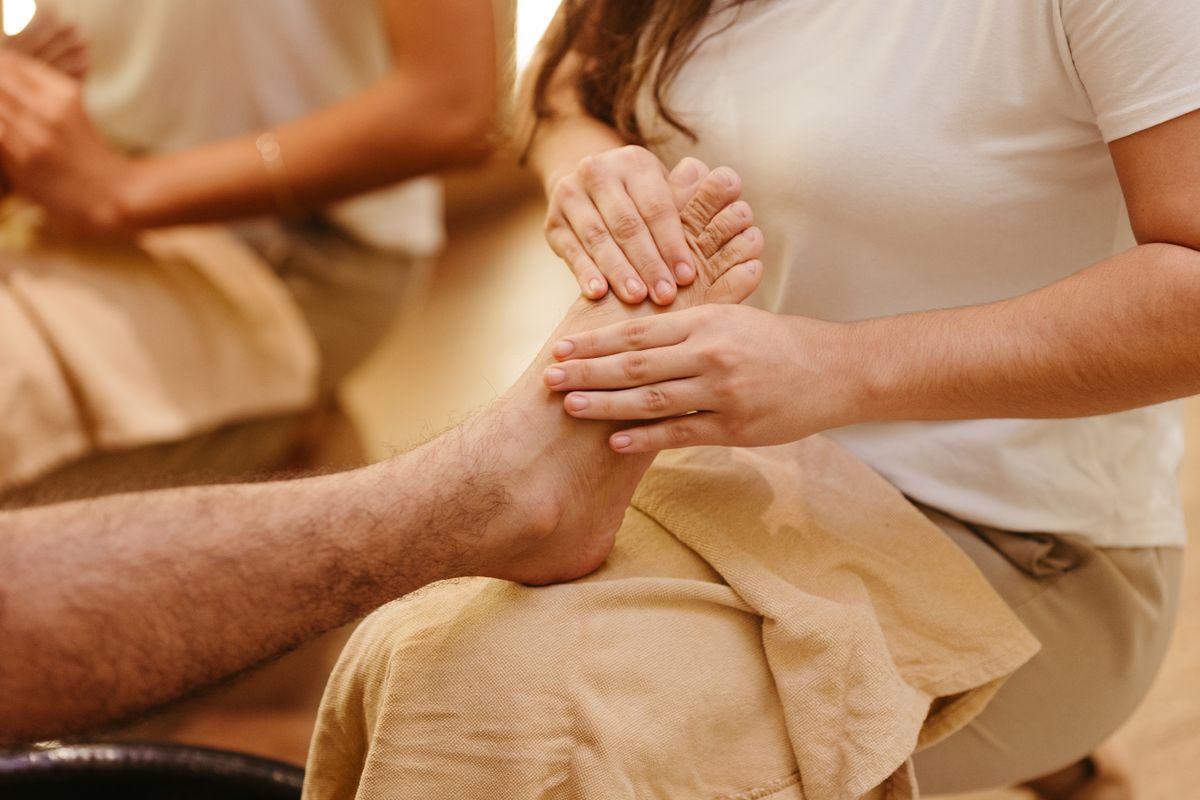
As a rule of thumb, cold soothes a fresh, angry flare-up while gentle heat loosens familiar, long-standing stiffness. If you'd like the full breakdown of which to reach for and how long to apply each, see our guide on choosing heat or cold after 55.
When to have it looked at
Most morning foot pain eases with the gentle habits above. But please see your GP or a podiatrist if the pain is severe, if it follows a fall or injury, if there's numbness, tingling, swelling, redness or warmth, or if it simply isn't improving after a couple of weeks. This article is general wellbeing information, not medical advice.
The bottom line
Sore feet and heels after 55 are common, and they're rarely permanent. Wake your feet gently before you stand, keep the calf and arch supple, support them with good shoes, keep them moving, and give them a little strength work each week. Small, kind habits — done most days — are what turn that wince into an easy first step.
Explore more gentle relief ideas in our Recovery & Pain Relief collection, or read why your knees hurt going down stairs and how to relieve muscle and joint tension at home.
New to Olyvita? Join our newsletter and get 10% off your first order with code WELCOME10 — plus practical wellness tips like this one every week.
0 comentarios