
You know the moment. You're reversing out of a parking space, you turn to look over your shoulder — and your neck stops short. It just doesn't rotate as far as it used to. So you rely on the mirrors, twist your whole upper body instead, and quietly wonder when checking a blind spot became such hard work.
If that sounds familiar, you're in very good company. A stiffer, less mobile neck is one of the most common changes people notice after 55 — and while it can feel alarming, in most cases it responds well to a little regular, gentle attention. Let's look at why it happens, and six easy ways to help your neck move more freely again.

Why your neck gets stiffer after 55
Your neck is a remarkable piece of engineering — seven small vertebrae, cushioned by discs, wrapped in muscles and ligaments, carrying the weight of your head all day long. Over the years, a few natural changes tend to add up:
The discs lose some cushioning. The soft discs between the vertebrae gradually hold less water and become a little thinner with age. That's a completely normal part of getting older, but it can reduce how smoothly the neck rotates.
The joints get a touch less supple. The small joints along the spine can become slightly rougher over time, which some people feel as a gentle grinding, clicking, or a limited range when they turn their head.
Muscles tighten from the way we live now. Hours spent looking down at phones, tablets, and books — plus long stretches sitting at a desk or in an armchair — keep the neck muscles in one shortened position. Held long enough, day after day, they simply forget how to lengthen easily.
We move it less than we used to. This is the big one. When turning hurts a little, we naturally avoid turning — and a joint that isn't moved through its full range gradually loses that range. The stiffness quietly feeds itself.
That last point is also the hopeful one: because so much of everyday neck stiffness comes down to muscle tension and lost movement habits, gentle, consistent movement is often exactly what helps.
The blind-spot test

Driving is where many people first notice the change — that over-the-shoulder glance to check a blind spot or reverse is one of the biggest rotation demands we place on the neck all day. If it's become a strain, take it as a helpful early signal rather than something to feel discouraged about. It simply means your neck would appreciate a little more regular movement. The six gentle steps below are a good place to start.
6 gentle ways to loosen a stiff neck
None of these should be forced or painful. Move slowly, breathe, and stay within the range that feels comfortable — a mild stretch is fine, sharp pain is your cue to ease off. A little every day beats a lot once in a while.
1. Warm up before you ask a lot of it
Stiff muscles move better when they're warm. A warm shower, a heated wrap, or even just a few minutes of gentle shoulder movement before a drive or a long task can make the neck noticeably more willing to turn. Mornings, when the neck is often at its stiffest, are a particularly good time.
2. Slow head turns
Sitting tall, turn your head slowly to look over one shoulder as far as is comfortable, pause for a breath, then turn slowly to the other side. Imagine you're trying to line your chin up with your shoulder — without straining to get there. Five or six easy turns to each side helps rebuild the exact rotation that checking a blind spot needs.
3. Ear-to-shoulder tilts
Gently lower one ear toward the same shoulder — keeping the shoulder relaxed and down, not hiked up to meet it. You'll feel a soft stretch along the opposite side of the neck. Hold for a few slow breaths, return to centre, and repeat on the other side. This eases the side muscles that tighten from hours of looking down.
4. Chin tucks for "screen neck"
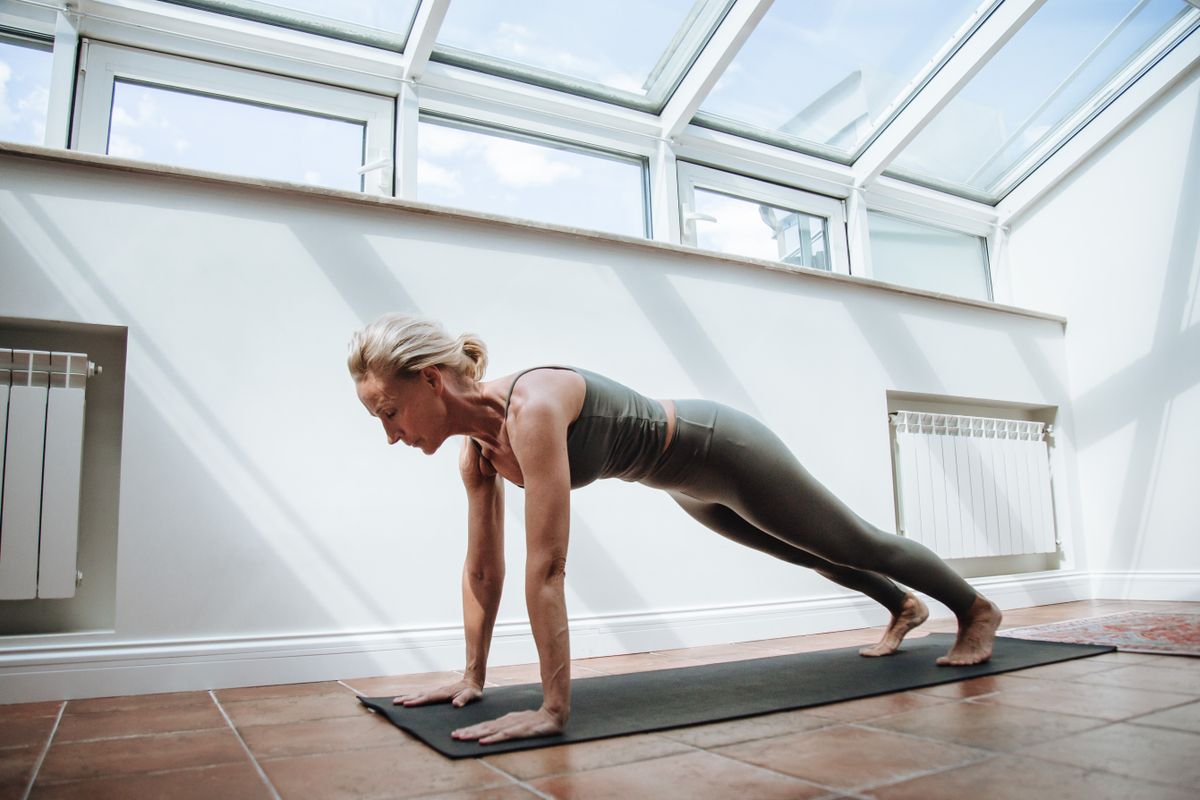
Years of looking down and forward can leave the head sitting ahead of the shoulders, which keeps the back of the neck under constant load. To counter it, draw your chin gently straight back — as if making a soft double chin — while keeping your eyes level. Hold for a few seconds and release. This simple movement helps bring the head back over the shoulders where it belongs.
5. Self-massage and shoulder rolls

The neck and shoulders work as a team, so loosening the shoulders often frees the neck too. Roll your shoulders slowly backward several times, then forward, letting them drop away from your ears. Adding a little kneading of the muscles at the base of the skull and along the tops of the shoulders with your fingertips can melt away a surprising amount of held tension.
6. Gentle strengthening for lasting support
Stretching frees the neck; strengthening the upper back helps it stay free. When the muscles between your shoulder blades are strong, they hold your head and shoulders in better alignment, so the neck doesn't have to work so hard. Light resistance work is ideal here because you control every bit of the effort. Our Gentle Resistance Bands are made for exactly this kind of low-impact, home-friendly movement — slow band pull-aparts and gentle rows are a lovely way to wake up the upper back without any strain.
Small everyday habits that help
Between your gentle exercises, a few tweaks keep the neck happier all day:
Raise your screens. Prop your phone or tablet up toward eye level rather than dropping your chin to look down at it. Set a computer monitor so the top of the screen is roughly at eye height.
Check your pillow. A pillow that keeps your head level with your spine — neither propped too high nor sagging too low — lets the neck rest and recover overnight.
Move often. Every 30 to 60 minutes of sitting, turn your head side to side a few times and roll your shoulders. Frequent small movements matter far more than one big stretch.
Adjust your mirrors. While your neck is loosening up, setting your car's side mirrors a touch wider reduces how far you need to turn to cover your blind spots.
When to check in with a professional
Everyday neck stiffness usually eases with gentle movement and time. It's worth speaking to your doctor, though, if you notice any of the following: neck pain that spreads down an arm, or numbness, tingling, or weakness in a hand or arm; stiffness that follows a fall or injury; pain that steadily worsens, wakes you at night, or comes with dizziness, headaches, or unsteadiness. These are signs that your neck deserves a proper hands-on assessment rather than home exercises alone.
The gentle takeaway
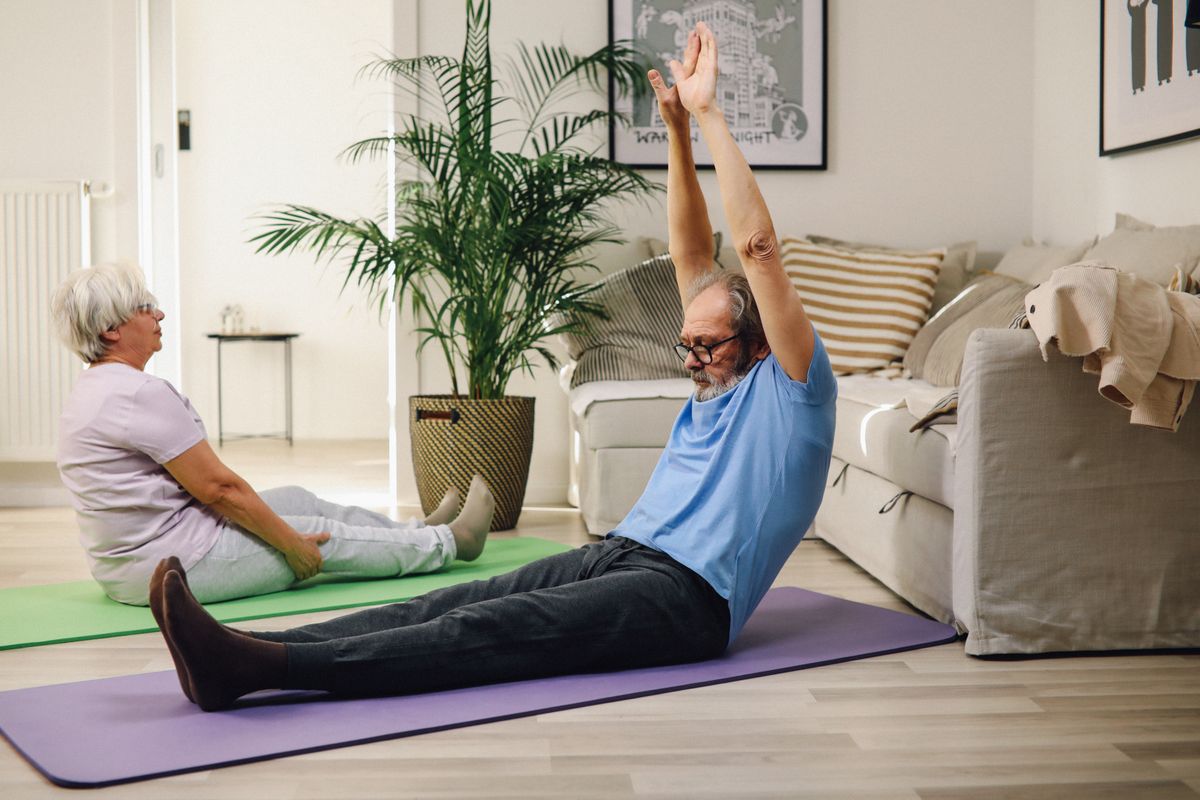
A stiff neck after 55 isn't a sentence — it's usually an invitation to move a little more, a little more often. A few minutes of slow turns, tilts, and shoulder rolls each day, backed by some gentle upper-back strengthening, can bring back a real sense of ease. Before long, glancing over your shoulder might feel like second nature again.
If you'd like to build a little gentle strength alongside your mobility work, explore our Mobility & Posture collection — thoughtfully chosen tools for moving comfortably at home. New here? Use code WELCOME10 for 10% off your first order.
Keep reading:
- Stiff Shoulders After 55: 6 Gentle Ways to Restore Your Range of Motion
- Sitting Too Much After 55: What It Quietly Does to Your Body
- Resistance Bands After 55: The Gentle Way to Rebuild Strength at Home
This article is for general information only and is not medical advice. It isn't intended to diagnose or treat any condition. If you have persistent neck pain or any of the warning signs described above, please consult a qualified healthcare professional before starting new exercises.
0 comentarios